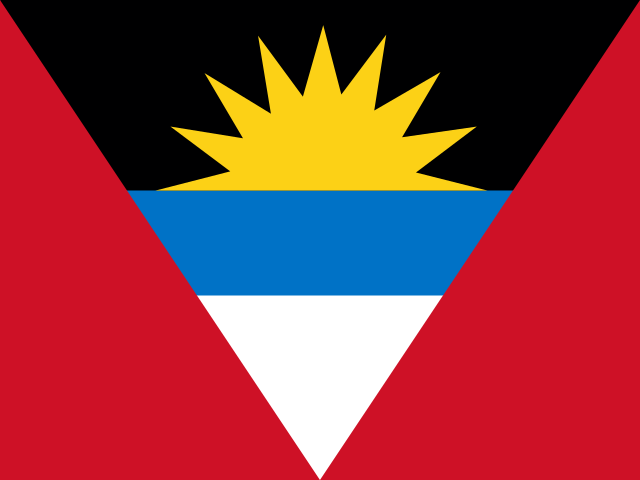
Antigua and BarbudaNorth America

North American flag directory
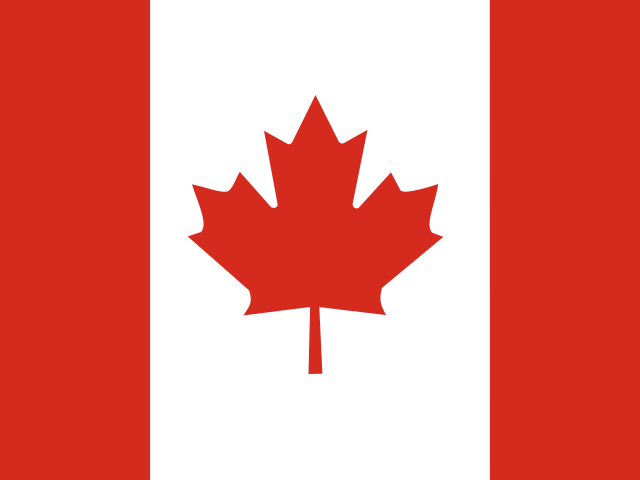
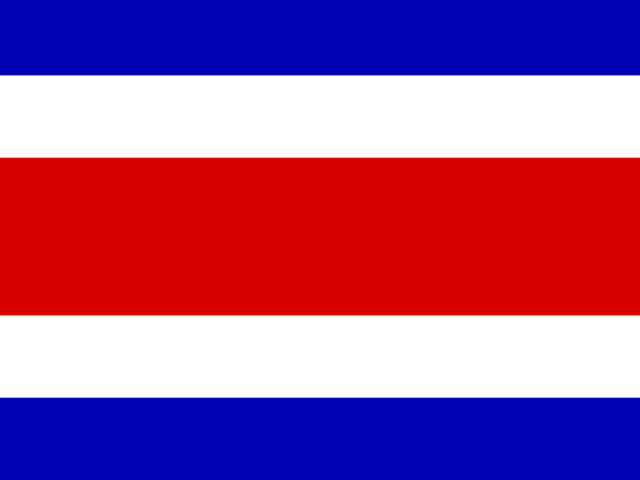
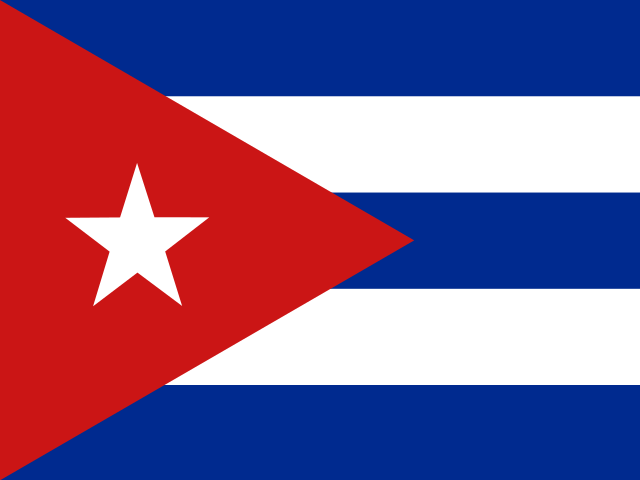
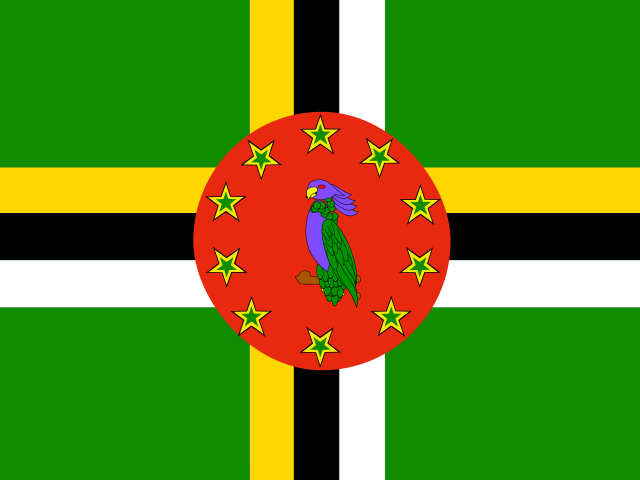
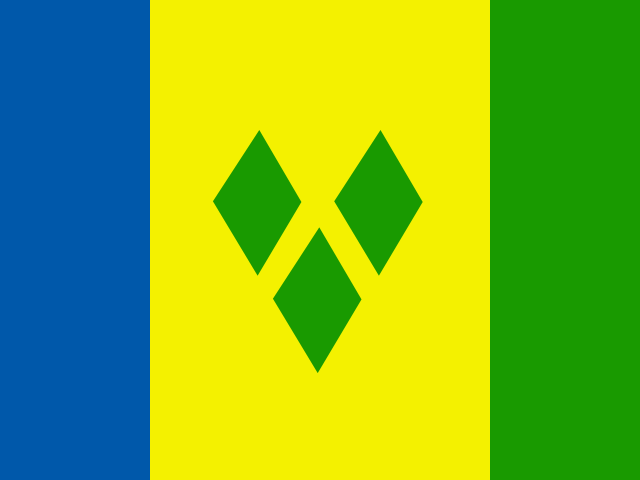
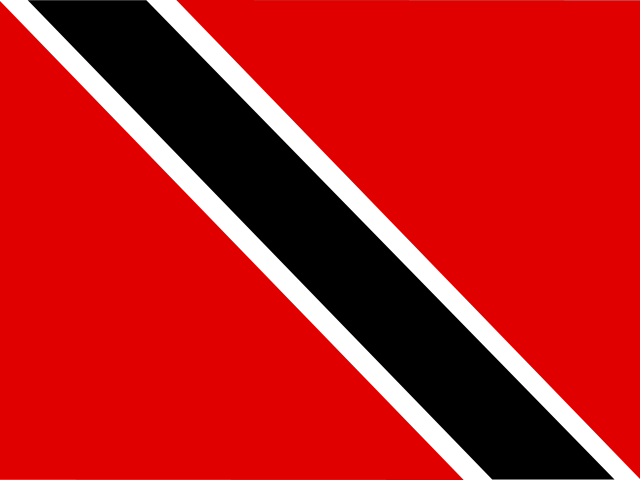
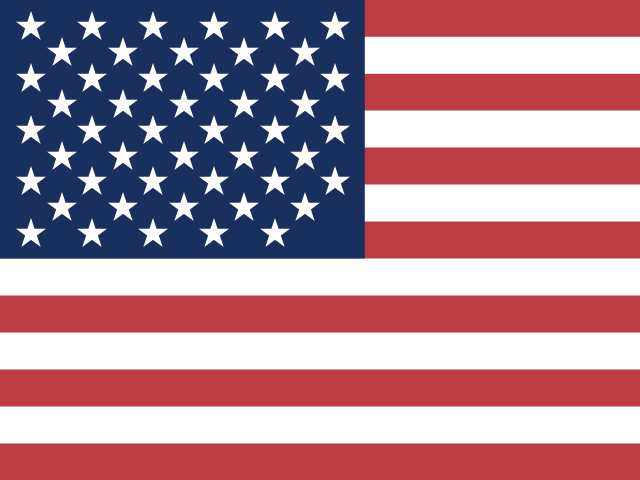
Browse the 23 national flags of Canada, the United States, Mexico, Central America and the Caribbean. This country collection does not include the 50 US state flags.
Showing 1–12 of 23
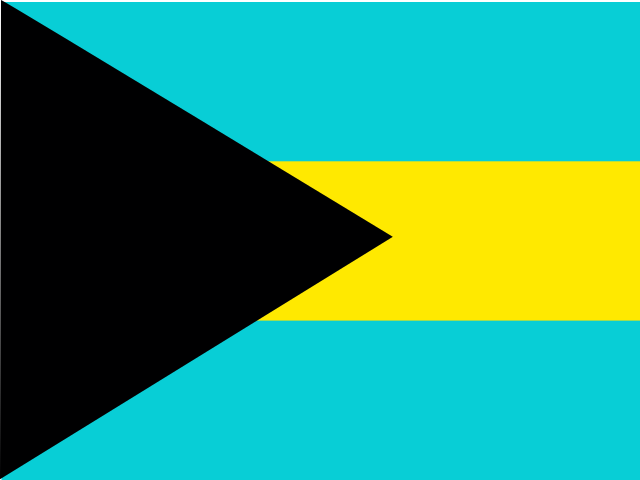
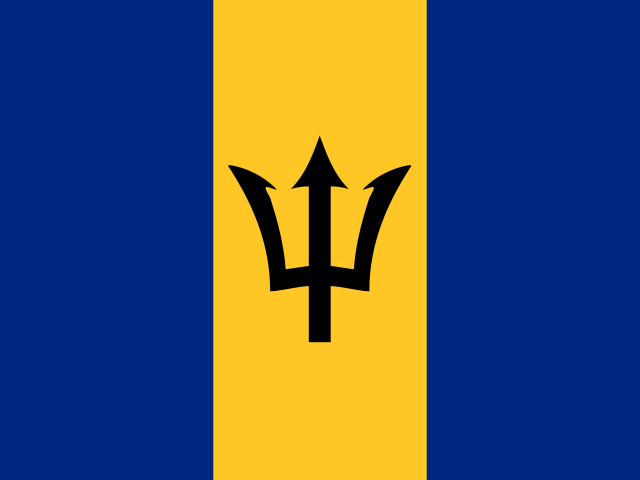
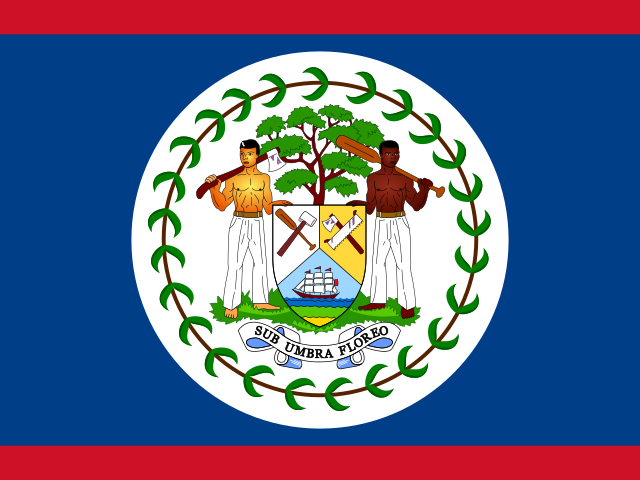
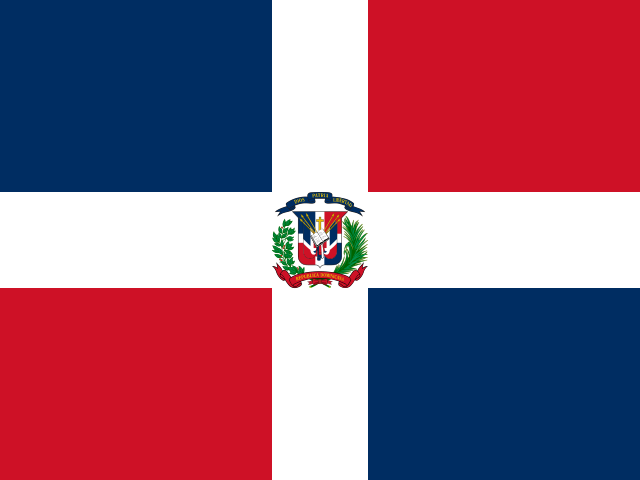
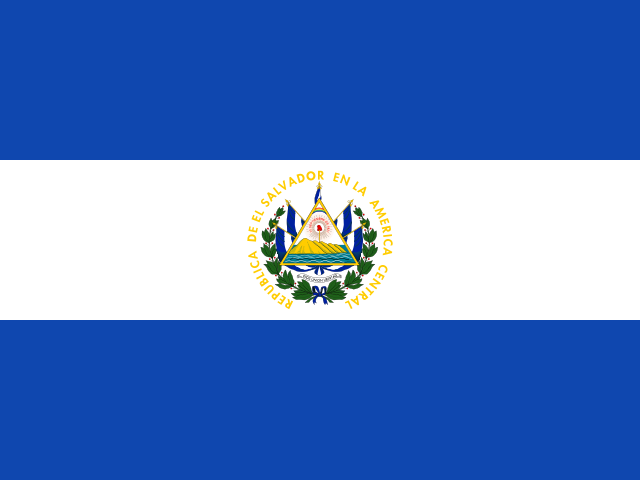
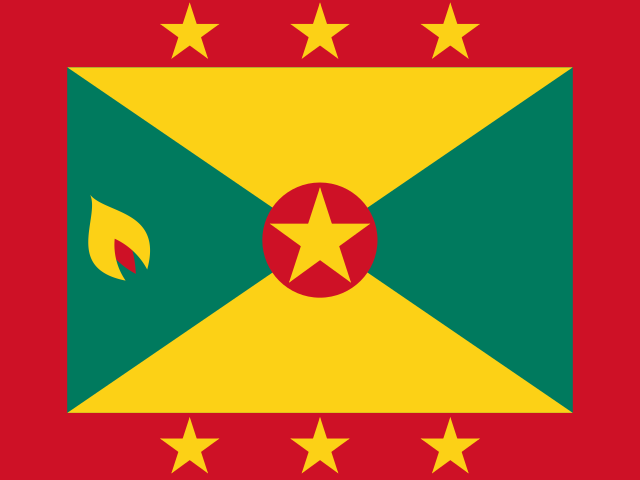
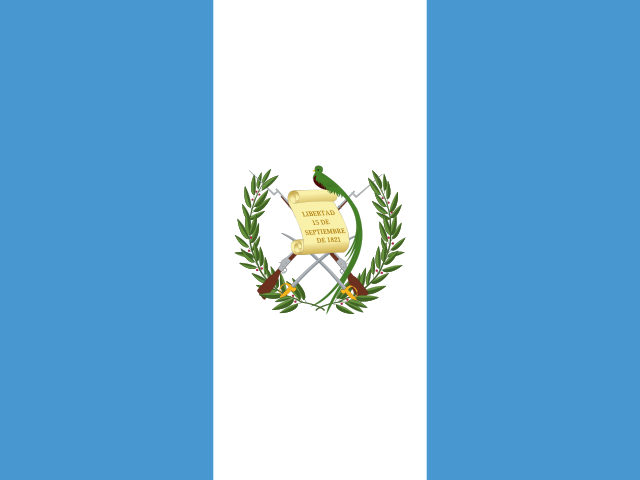
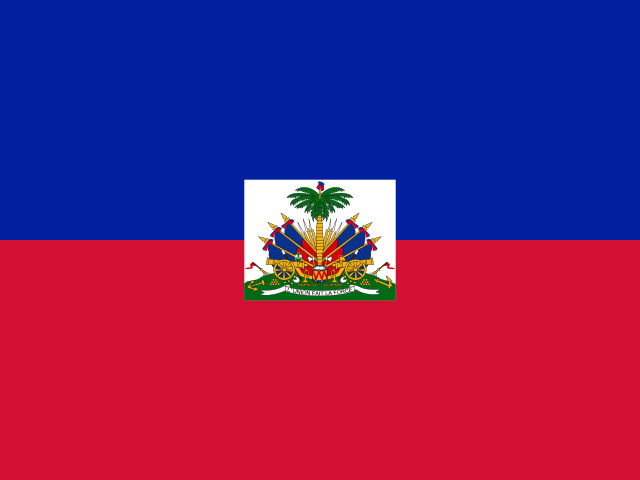
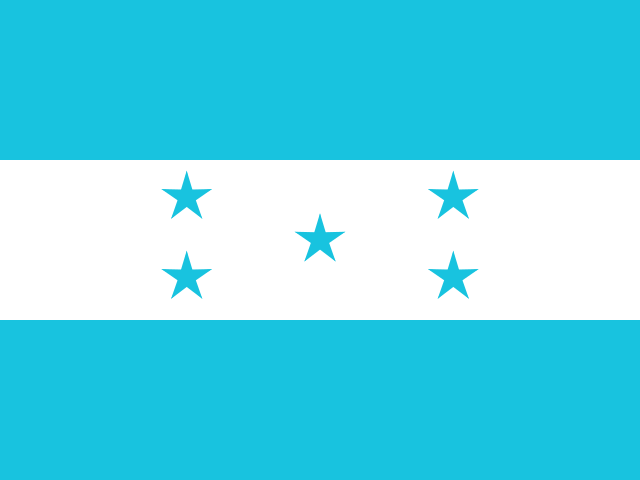
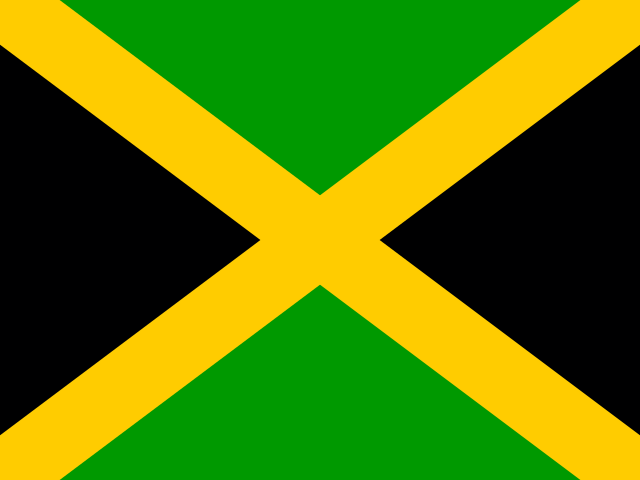
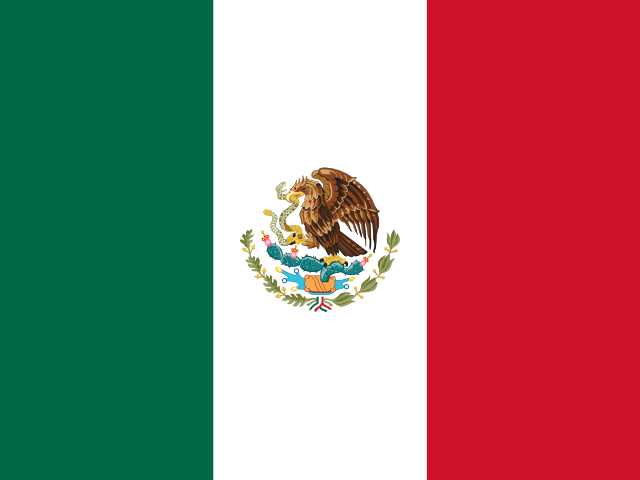
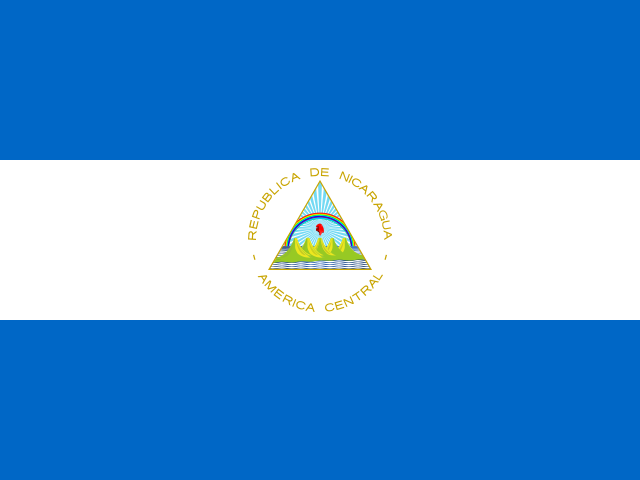
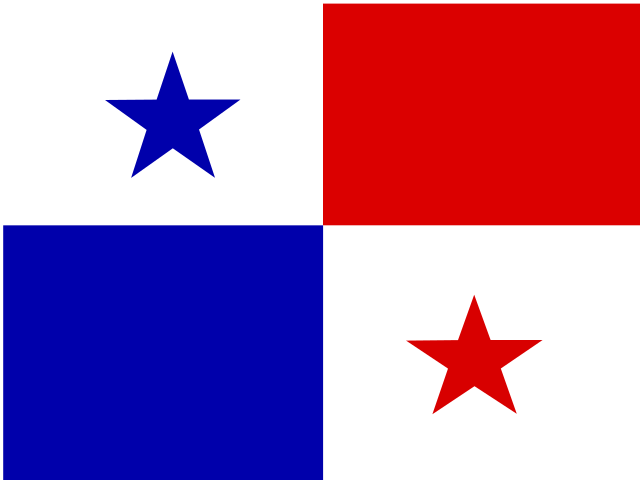
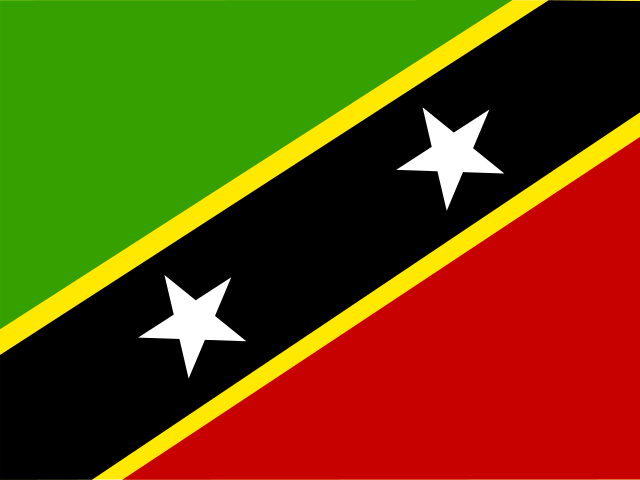
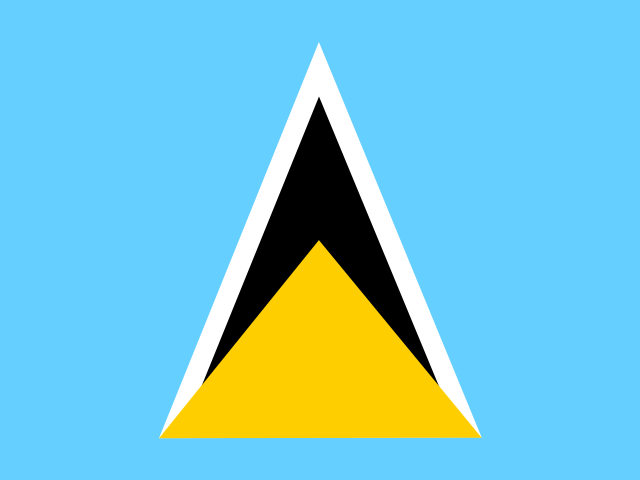
Flashcards & quiz
Flip through these flags one at a time, or test the same collection in a quiz.
Flag reference guide
Use the gallery as more than an alphabetical list. Compare the 23 complete designs by layout, symbol and visual pattern, then move the same country set into flashcards or a quiz.
First decide whether a flag uses horizontal or vertical bands, a cross, a diagonal division, a plain field, a canton or a central emblem. Layout removes more possibilities than a common colour and remains visible even when a flag is shown at a small size.
After naming the structure, check the order and width of its main sections. A shifted cross, a wider upper band or a triangle at the hoist can separate countries that use almost the same palette.
Red, white and blue occur across many continents, while green, yellow and red appear in several African and South American traditions. Use colour to form a broad group, then confirm the country with placement, proportions and symbols.
When two flags seem identical, compare them side by side at the same size. Shade, aspect ratio and stripe width can matter, but they are easier to learn after the shared layout has already been recognised.
Count repeated stars, note their arrangement and check whether a symbol sits in the centre or near the hoist. A sun, crescent, shield, bird, plant or coat of arms often provides the clearest identifying detail.
Cantons deserve a second look. A familiar corner design can identify a group with shared history, but the field colour, star group or national shield elsewhere on the flag determines the final answer.
This collection covers the national flags of Canada, the United States, Mexico, Central America and the Caribbean. US state flags are not included; every answer represents a country in the regional set.
Canada, the United States and Mexico make useful starting points. From there, compare the coats of arms on Central American flags and the stars, tridents, triangles and ensigns used across the Caribbean.
Study ten to twenty flags at a time, beginning with the most distinctive designs. Add the closest lookalikes only after the first set feels familiar, then mix the complete 23-flag region again.
Browse the complete set once, then open flashcards to hide the country names. Say the answer before revealing it and save uncertain designs for a shorter review pass. Finish with a quiz that uses the same collection.
This browse–study–test sequence keeps the visual comparison connected to a decision you must make from memory. Return to the gallery only for the pairs that remain difficult instead of rereading every country after each round.
Choose a few visually distinctive flags from different parts of North America and learn those first. A design with an unusual shape, bold symbol or uncommon colour arrangement creates a reference point for the neighbouring countries you add later.
Once those flags feel familiar, compare the designs most likely to be confused within each group. Move from obvious structural differences to smaller details such as star placement, emblem shape and stripe width instead of attempting all 23 designs in one pass.
The gallery labels each design with its country and Flagzy region. Read that context after inspecting the image, then connect the flag with a capital or neighbour. A second fact can make the country easier to remember without replacing the visual details required in a flag quiz.
Keep the association specific. Link a real symbol or layout feature with the country fact, and avoid a generic story that could describe several flags. Test the connection by returning to the unlabeled image in flashcards.
Revisit the gallery after a quiz with a question in mind: which detail separated the correct country from the option you chose? A targeted comparison is more memorable than another complete scroll through every regional card. Write that difference in your own words before continuing, then look for it during the next quiz round.
How it works
Use this complete North America flag gallery to compare all 23 country flags side by side. Start with the broad colour and layout, then look for the stars, crests, crosses and emblems that separate similar designs.
This gallery includes 23 national flags from North America. Each card shows the country name and Flagzy region, so you can browse the complete collection alphabetically before moving to flashcards or a regional quiz.
Begin by grouping flags with similar colours and layouts, then focus on the symbols that make each country distinctive. After browsing the gallery, open the North America flashcard deck and name each country before revealing it, then finish with the regional flag quiz.
Yes. Open the matching North America flashcard deck to reveal one country at a time. The deck uses the same 23-flag collection shown here, which makes it easy to move from visual comparison to memory practice.
Yes. The North America flag quiz tests this same regional collection with multiple-choice and typed-answer modes. Browsing first helps you notice repeated colours, shared flag patterns and small national emblems before you answer from memory.