Guess the Flag
Identify flags from around the world.
Play the world setChoose a region

Game gallery
Browse every Flagzy geography game across the same 195-country world collection, or choose a continent for a more focused round.
Today’s shared challenge
Five flags, one attempt and a streak that grows when you return tomorrow.
By game
Identify flags from around the world.
Play the world set
Match countries with their capitals.
Play the world set
Reveal a mystery flag in six guesses.
Play the world set
Use capital city-to-country clues to name each country.
Play the world set
Guess each flag by color mix, then reveal its country.
Play the world set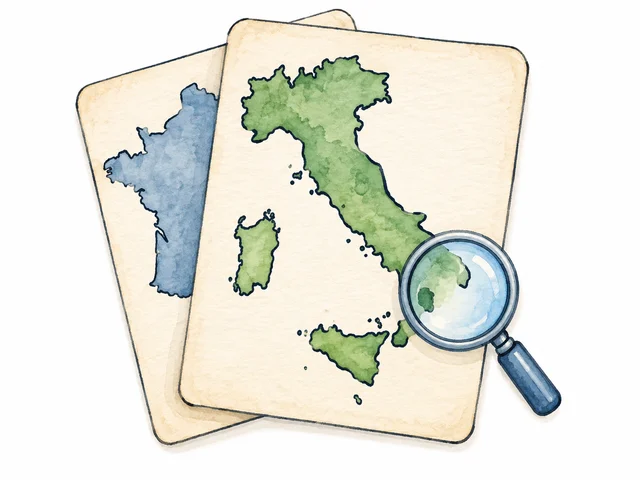
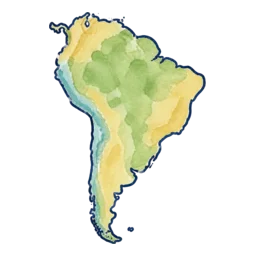
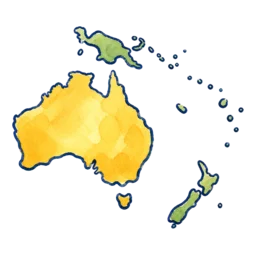
Guess the country from its outline. Choose or type the name.
Play the world setStart with all 195 countries for a broad challenge, or choose one region for a more focused round. Because each game uses the same country collection, you can move from identifying flags to capitals or visual puzzles without starting over.
By region
Choose a region to find its geography games, flashcards and complete flag gallery together. Study the countries first, then test the same knowledge in whichever game feels right.
Browse all regional hubsLearning guide
All Flagzy activities use the same 195 countries, but each format asks a different kind of question.
Multiple-choice Guess the Flag shows country names beside each complete design. World flag flashcards let you think of an answer before revealing the country. Both formats help you connect each flag with a country before you try to answer without visible options.
Start with a continent set. Fewer possible answers make shared regional patterns easier to notice and leave enough attention to review why a close option was wrong.
Typed Guess the Flag, Capital City Quiz, Country from Capital, Flag Color Game and Country Shape Quiz rounds remove the visible options. Entering the country or city yourself is harder than choosing it from a list, so switch after a small regional set feels familiar in multiple choice.
Begin with five or ten questions and record recurring spelling errors. A lower typed score shows which names you still cannot enter without visible options.
Flagle hides the complete image and reveals it piece by piece. The first fragments test whether you can identify the broad colours and layout; later sections expose stars, crosses, cantons and emblems that can confirm the country.
Use a regional set when you want to practise familiar flag patterns, or the world set when you want the widest range of possible answers. Smaller pieces make early guesses harder without changing the flag knowledge you need.
The Capital City Quiz begins with a country and asks for its capital. Learn neighbouring pairs together so each city has geographic context, then contrast familiar largest cities with the official capital when they differ.
Multiple choice introduces unfamiliar names; typed answers check whether you can enter and spell each city yourself. Return difficult pairs to one continent before mixing them into the full world collection.
Browse a gallery, study a short flashcard deck and take a quiz using the same country set. The gallery supports comparison, flashcards ask you to think of an answer before the reveal, and the quiz gives you a score.
After the test, review only the uncertain flags or capitals. Focused correction gives weak items more repetitions without forcing you through every answer you already know.
Round length, answer style, timer, region and game format can all change the challenge. Adjust one of them while keeping the others unchanged so you can understand why the score changed.
Accuracy should come before speed. Add a timer after you can answer reliably; otherwise fast play can reward guesses based on one common colour.
One gallery comparison, a five-question quiz and a small review list can form a complete session. Return on another day and begin with the saved mistakes before adding unfamiliar countries.
For classrooms or groups, use printable flag flashcards or a shared short round and ask players to explain the clue before choosing. Discussion about layout, subregion or a confusing capital makes the result more useful than the score alone.
Seeing a flag and naming the country is only one direction. Reverse it with Country to Flag, move from a country to its capital, or use a partial reveal that hides the complete design. Each game gives you different information to work with.
Alternating formats also reveal false confidence. A flag may be easy to identify when you see it but hard to picture from the country name, while a familiar capital may be difficult to spell without multiple-choice options.
A visual mix-up belongs in the gallery or flag flashcards. A slow country name belongs in typed Guess the Flag. A confused city pair belongs in a regional capitals set, and a guess based only on colour can be challenged with Flagle.
This keeps practice purposeful. Instead of selecting a random game after every round, let the mistake decide what to review and which format to try next.
A continent set makes an unfamiliar group easier to learn, while the complete 195-country set checks whether you can still answer without a regional clue. Move back to world play after you can both choose the correct answer and enter it without options.
If the mixed score drops, return to the difficult group rather than abandoning the broader test. Alternate between regional study and world play as the collection grows.
Choose your route
Start with multiple choice or flashcards when the flags are unfamiliar. Switch to typed answers when you can identify most of them, and return to the gallery or flashcards whenever you need a quick review.
Start with Guess the Flag in multiple-choice mode or open World Flag Flashcards. Both help you connect complete flag designs with country names before you try typed answers, capitals or a six-guess Flagle Game.
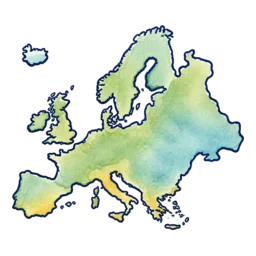
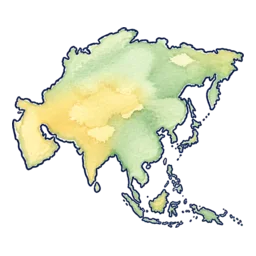
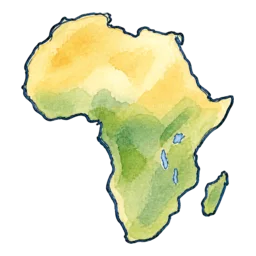
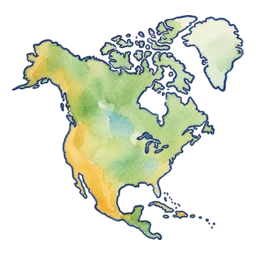
Yes. Europe, Asia, Africa, North America, South America and Oceania each have a region hub with six games: Guess the Flag, Flag Color Game, Flagle, Capital City Quiz, Country from Capital and Country Shape Quiz.
Guess the Flag, Capital City Quiz, Country from Capital, Flag Color Game and Country Shape Quiz support typed-answer rounds. Begin with multiple choice, then switch to typing when you no longer need visible options.
Yes. Flagzy games and study tools are free to play in the browser and do not require an account.