
Europe Flag Quiz
Random 5 · Explorer · Europe
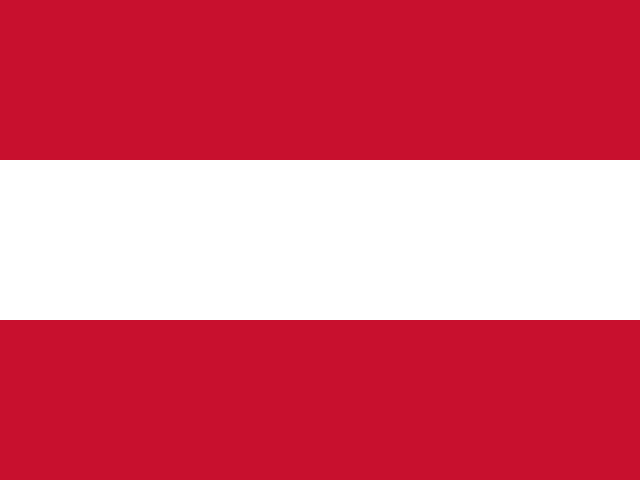
Which country does this flag belong to?

Need a hand?
Game modes
Try another mode
Guess the Flag supports multiple-choice and typed answers. Lookalike modes are available only in the world version.
Game guide
How to play the Europe flag quiz
Learn how the Europe flag quiz works, which flags are included and how to choose a practice mode.
What to look for in the Europe flag quiz
Red, white and blue appear on many European flags. Start by checking whether the design uses vertical stripes, horizontal stripes or a Nordic cross. Then use stripe order and coats of arms to separate close matches.
How to narrow down the answer
Identify the overall layout before choosing a country. In a typed round, this gives you a short list of likely answers even when there are no options on screen.
- Check whether the stripes are vertical or horizontal
- Compare the position and colours of Nordic crosses
- Look for a coat of arms and note where it appears
Europe country and capital comparison
Compare all 45 countries in Flagzy’s Europe region with their flags and capitals. The list follows the same regional collection used by the games and study tools on this page.
| Flag | Country | Region | Capital |
|---|---|---|---|
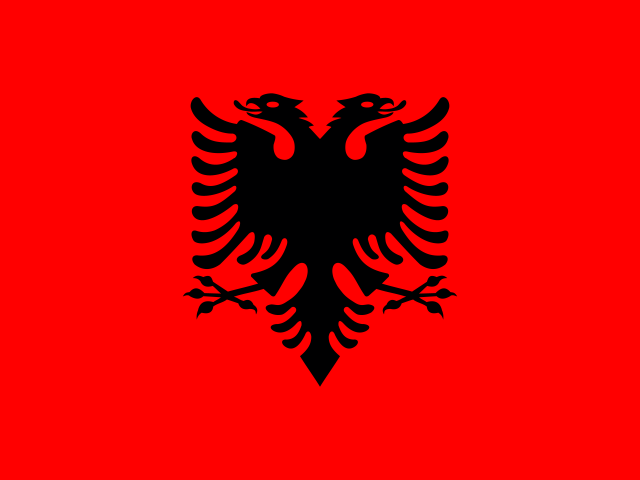 | Albania | Europe | Tirana |
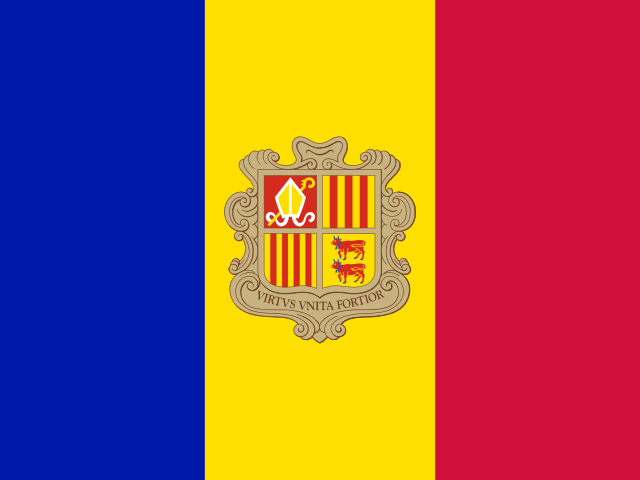 | Andorra | Europe | Andorra la Vella |
| Austria | Europe | Vienna |
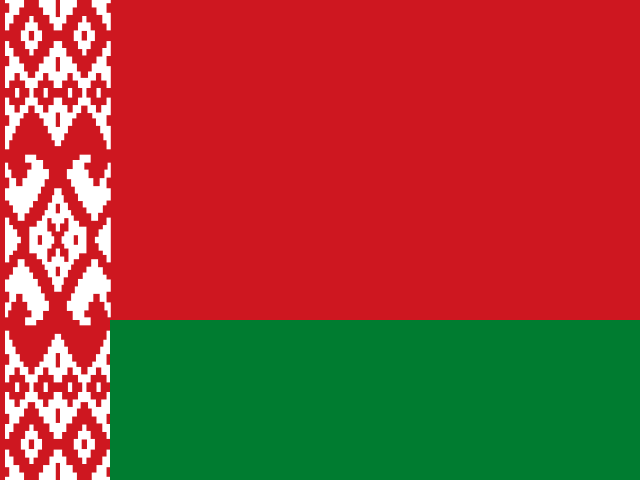 | Belarus | Europe | Minsk |
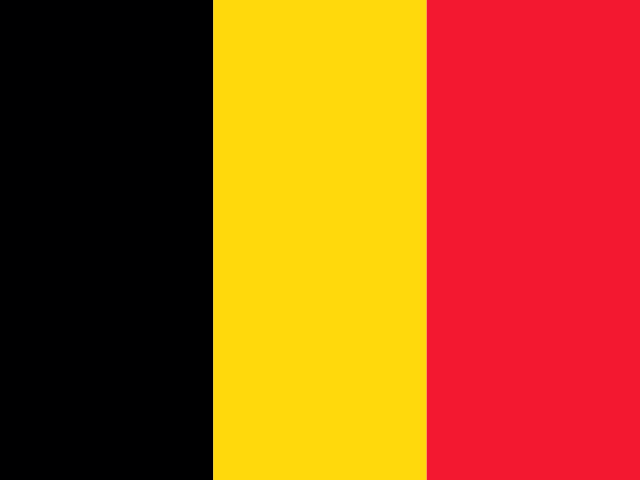 | Belgium | Europe | Brussels |
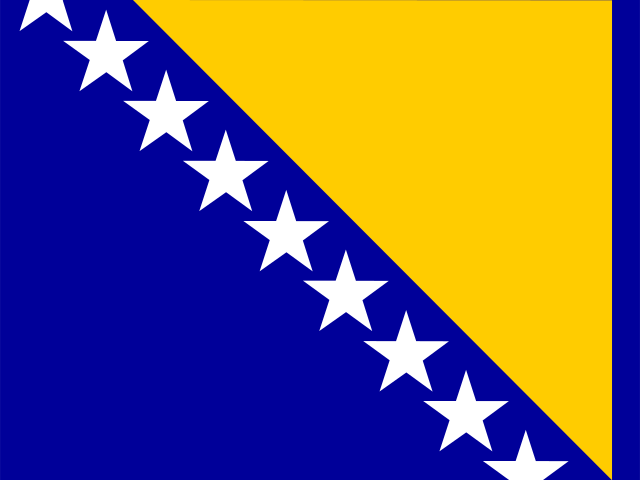 | Bosnia and Herzegovina | Europe | Sarajevo |
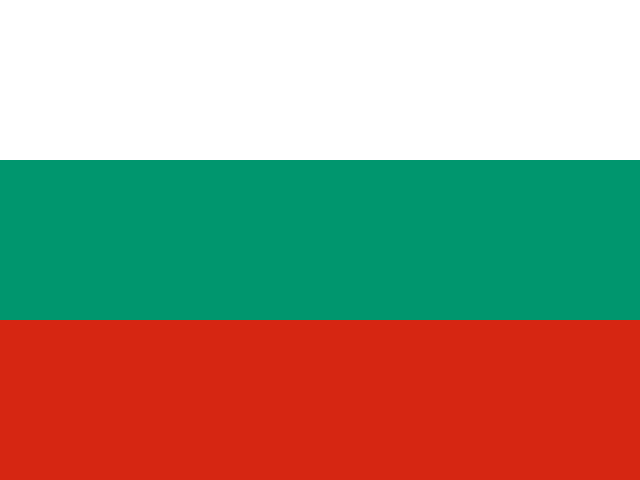 | Bulgaria | Europe | Sofia |
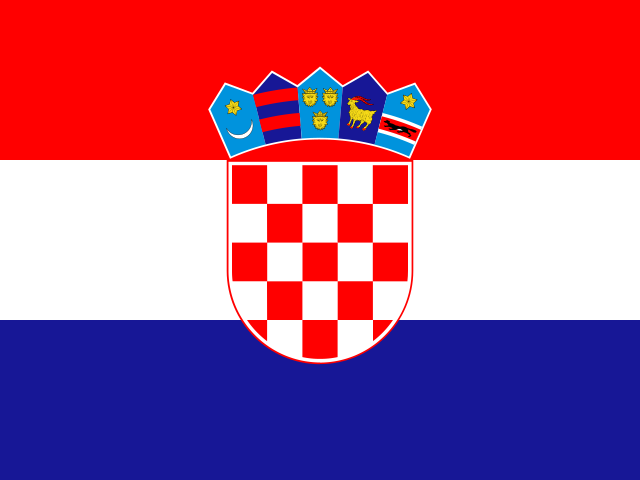 | Croatia | Europe | Zagreb |
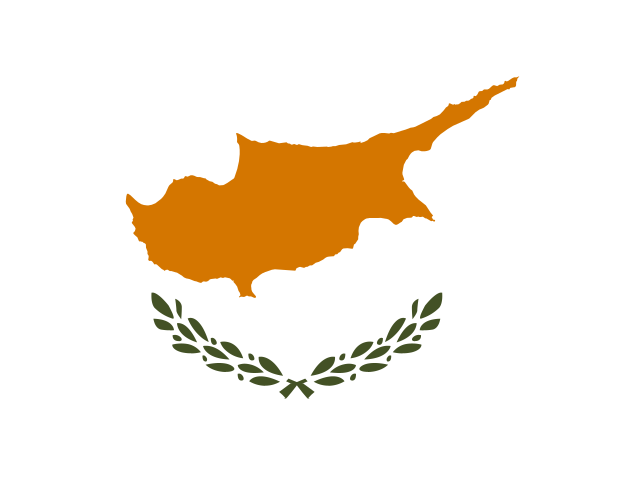 | Cyprus | Europe | Nicosia |
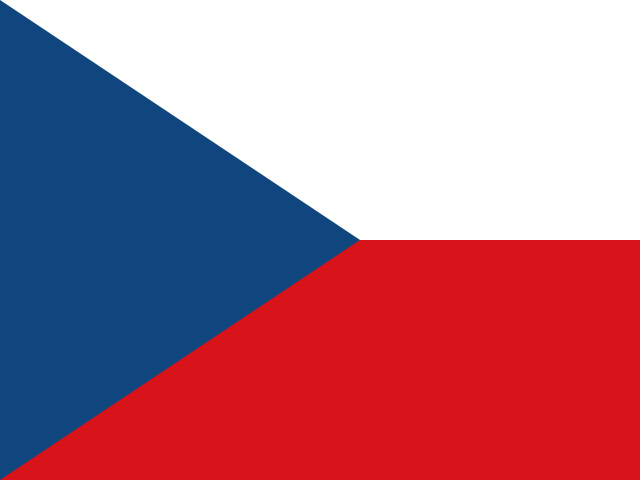 | Czechia | Europe | Prague |
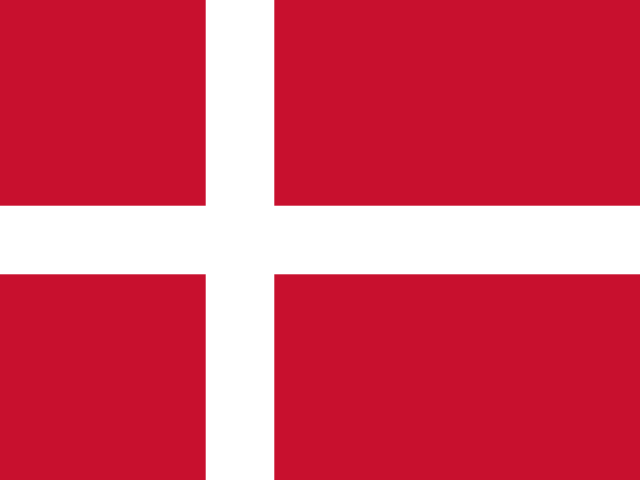 | Denmark | Europe | Copenhagen |
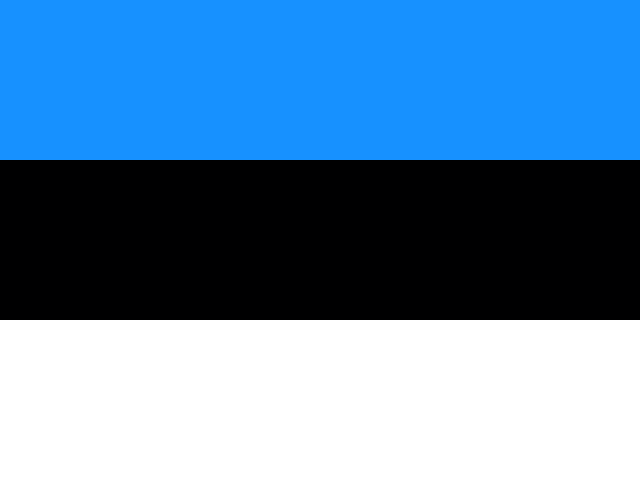 | Estonia | Europe | Tallinn |
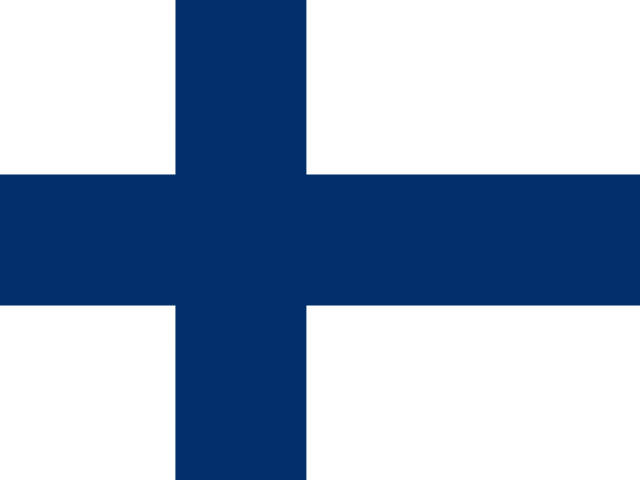 | Finland | Europe | Helsinki |
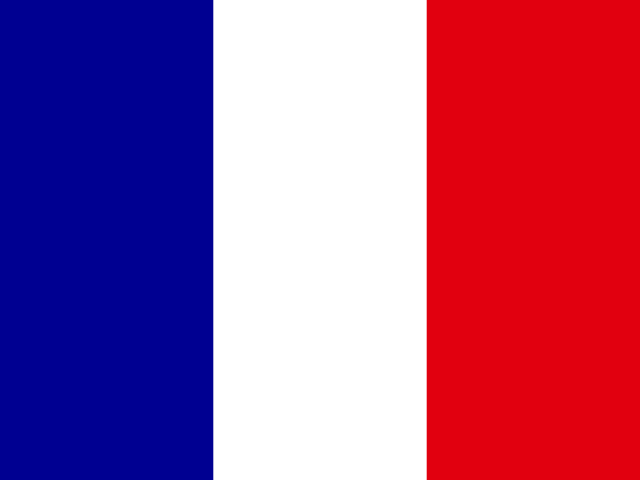 | France | Europe | Paris |
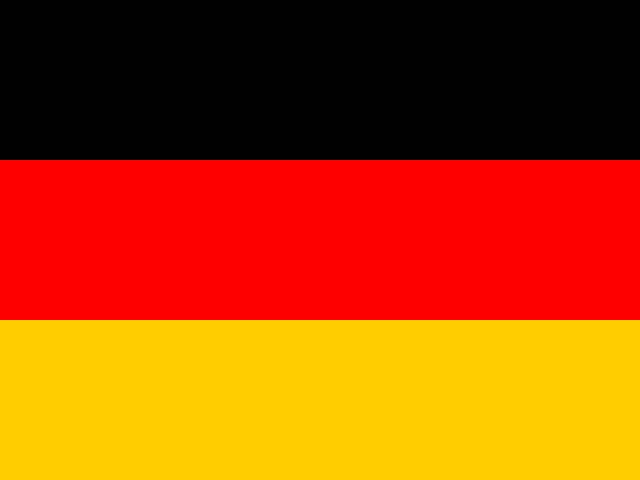 | Germany | Europe | Berlin |
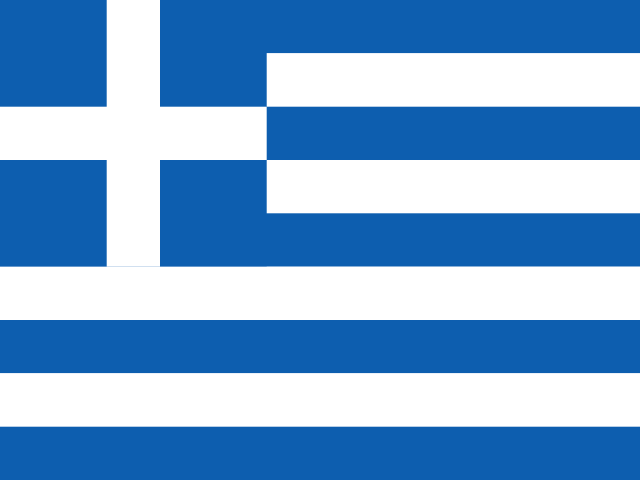 | Greece | Europe | Athens |
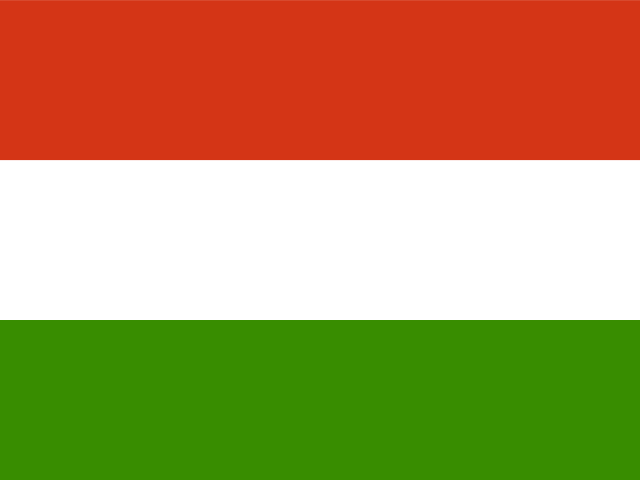 | Hungary | Europe | Budapest |
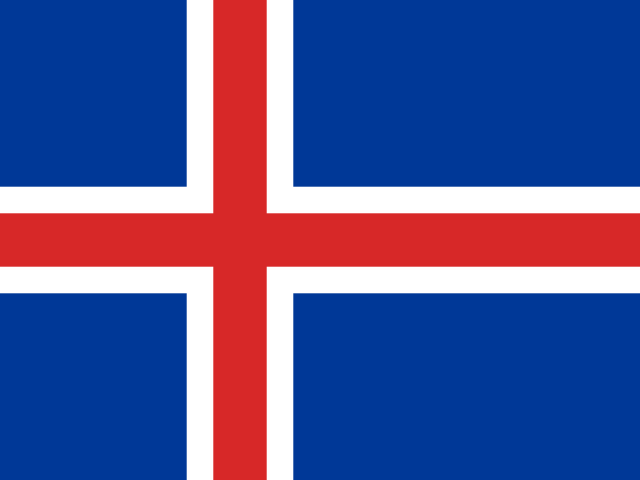 | Iceland | Europe | Reykjavik |
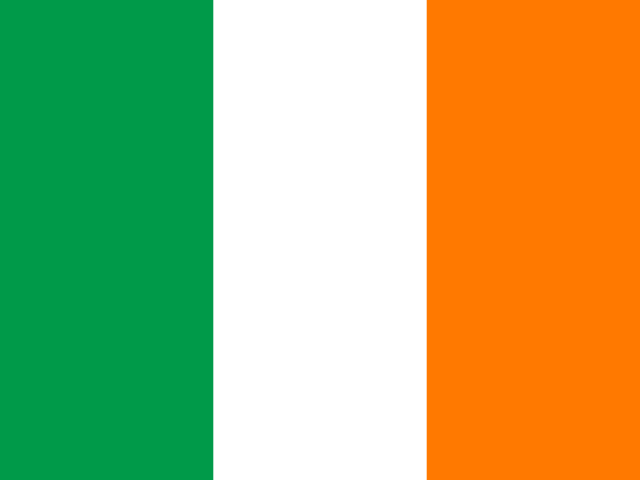 | Ireland | Europe | Dublin |
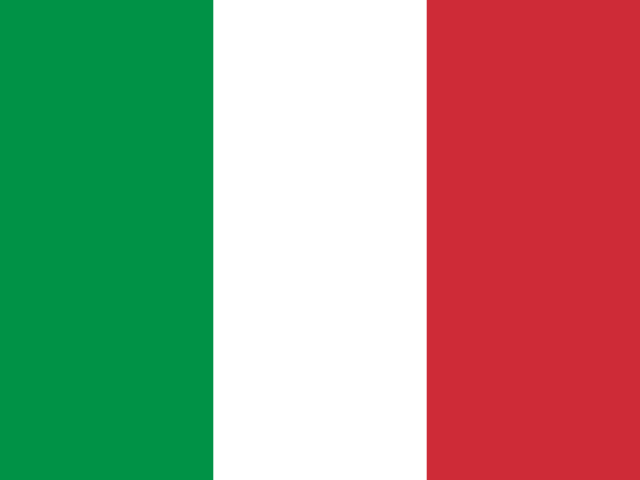 | Italy | Europe | Rome |
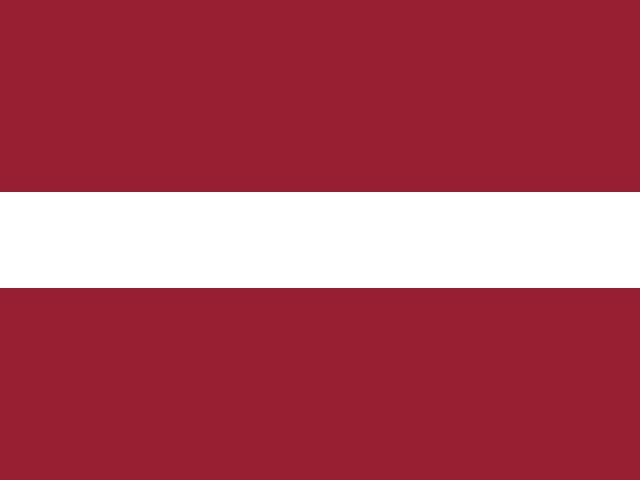 | Latvia | Europe | Riga |
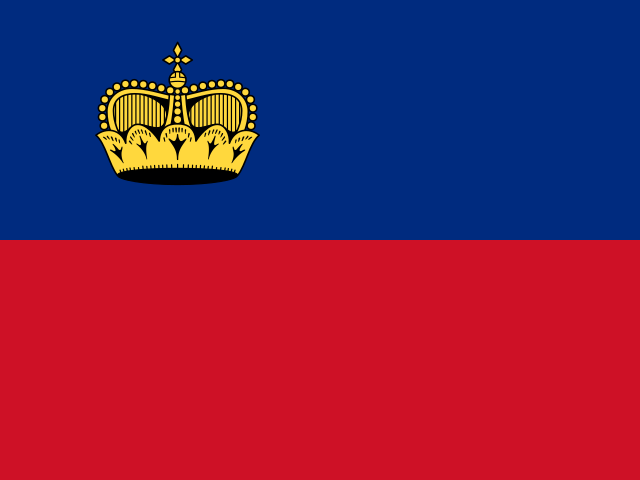 | Liechtenstein | Europe | Vaduz |
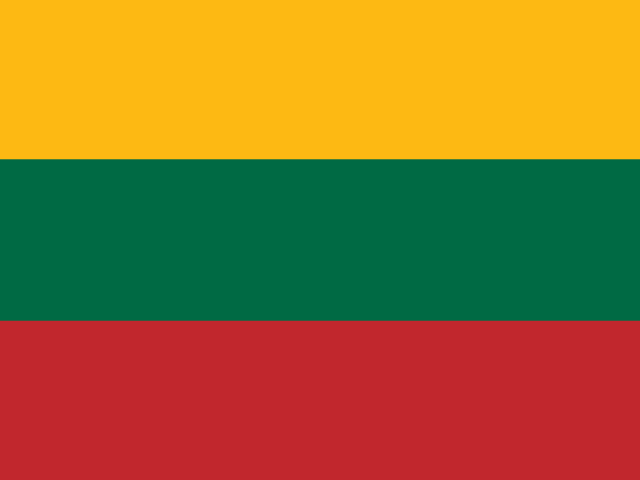 | Lithuania | Europe | Vilnius |
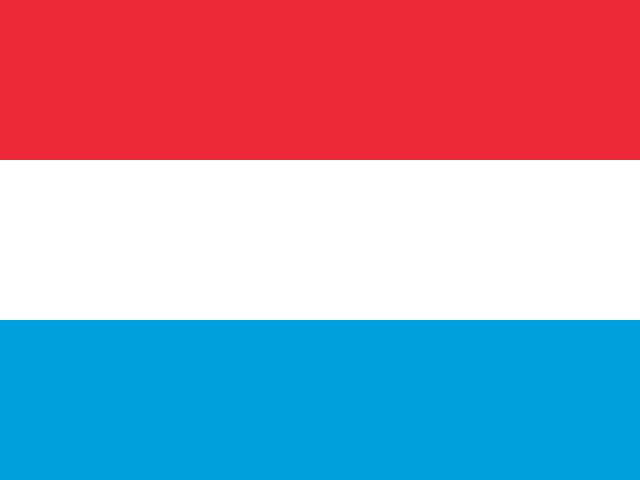 | Luxembourg | Europe | Luxembourg |
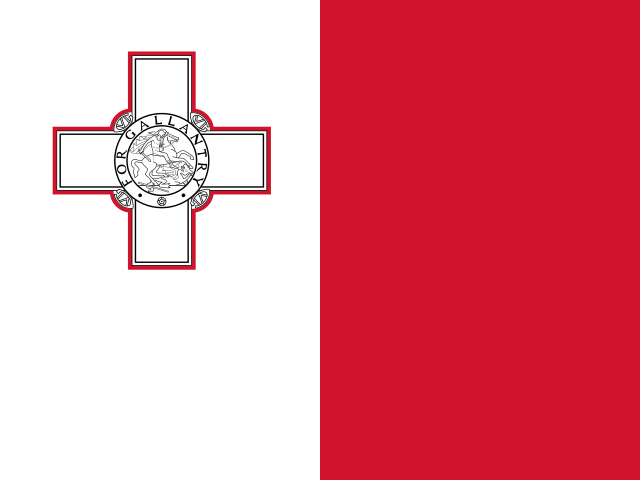 | Malta | Europe | Valletta |
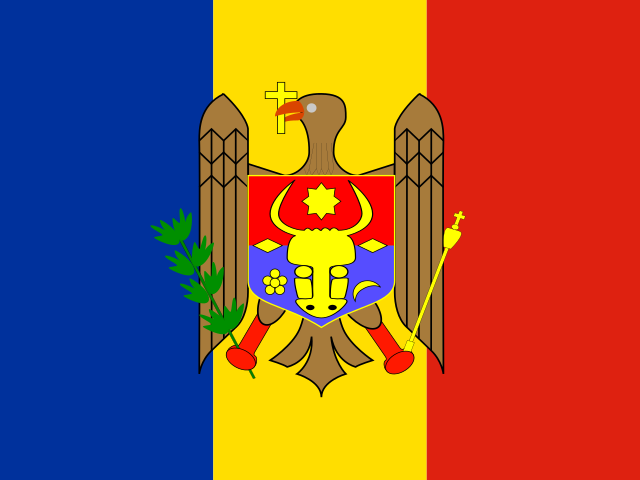 | Moldova | Europe | Chișinău |
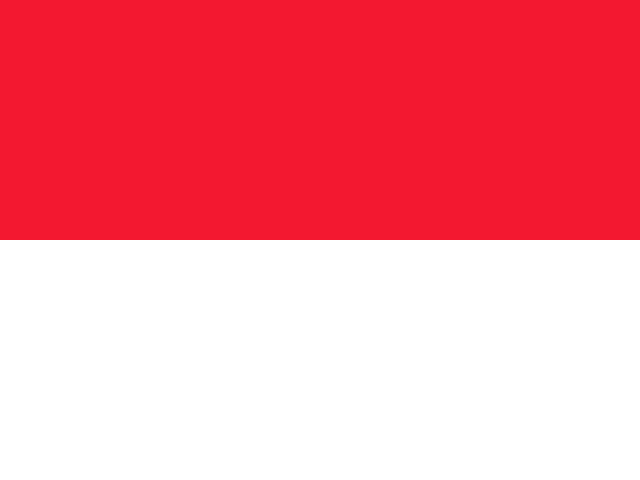 | Monaco | Europe | Monaco |
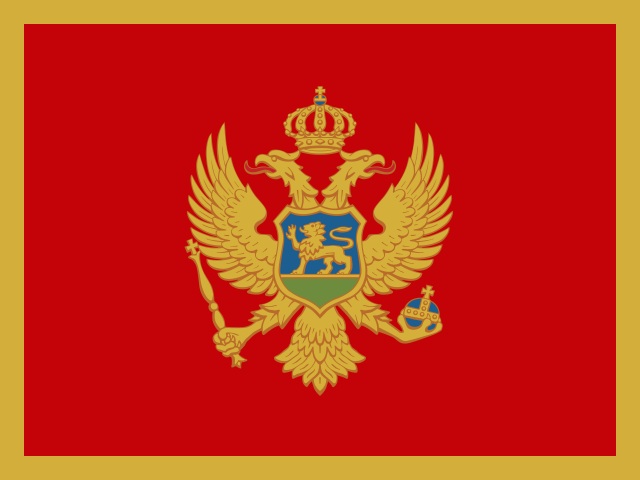 | Montenegro | Europe | Podgorica |
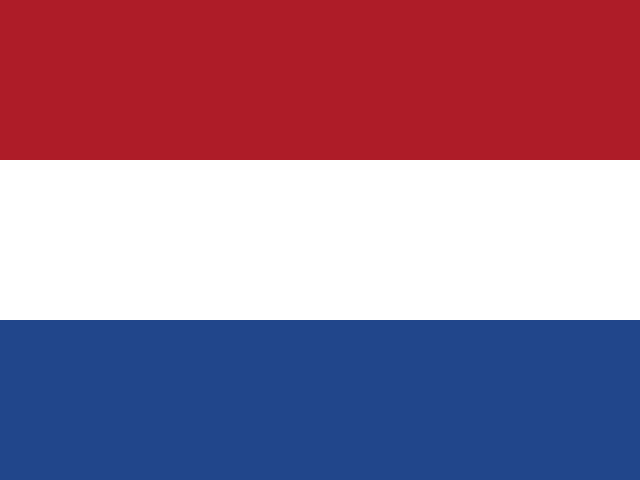 | Netherlands | Europe | Amsterdam |
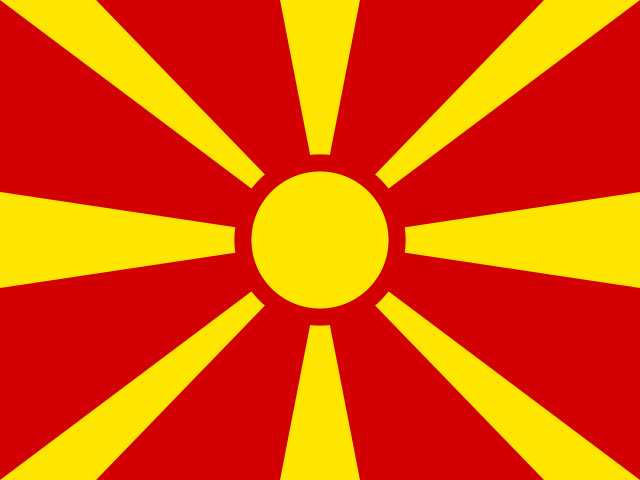 | North Macedonia | Europe | Skopje |
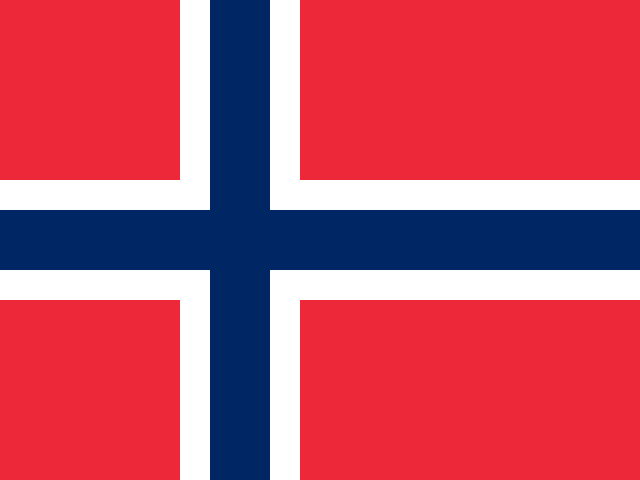 | Norway | Europe | Oslo |
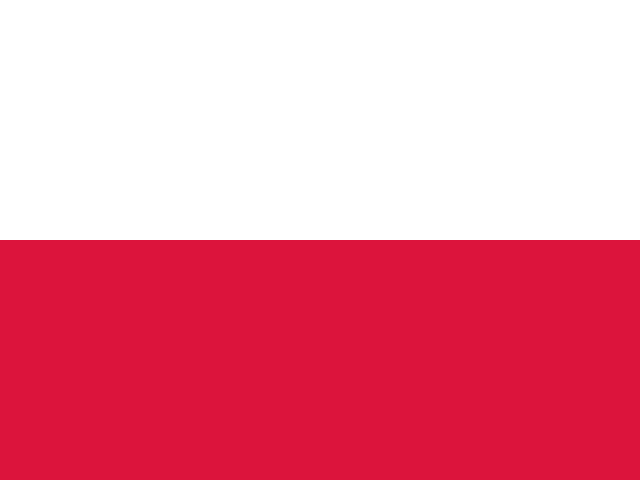 | Poland | Europe | Warsaw |
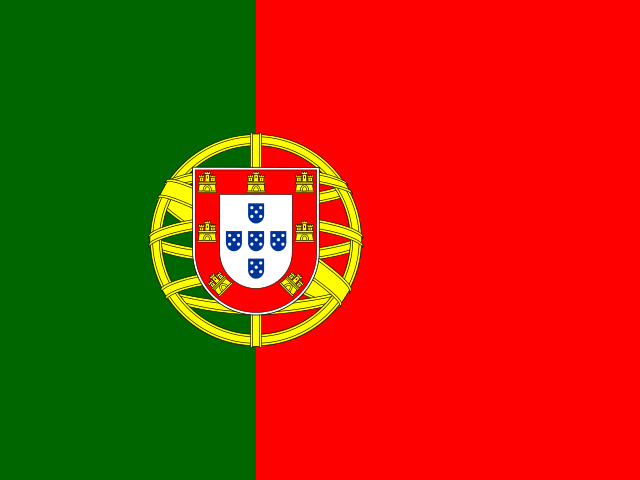 | Portugal | Europe | Lisbon |
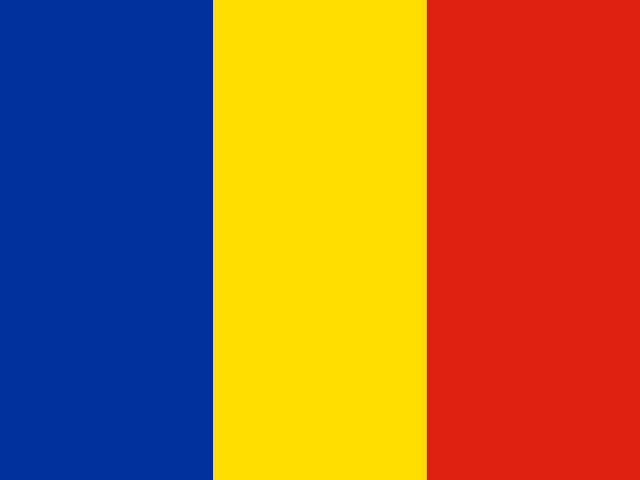 | Romania | Europe | Bucharest |
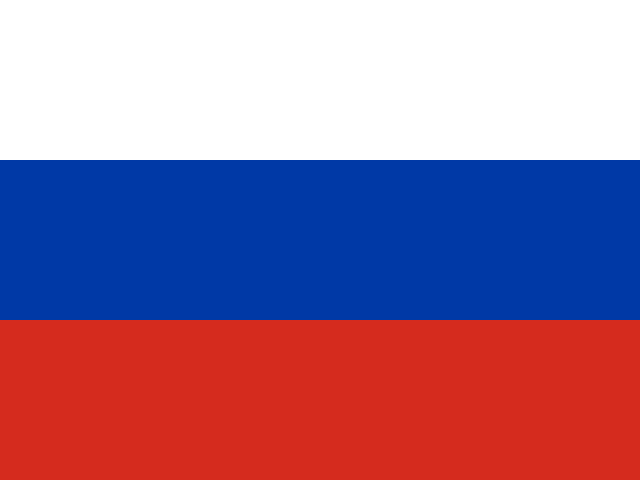 | Russia | Europe | Moscow |
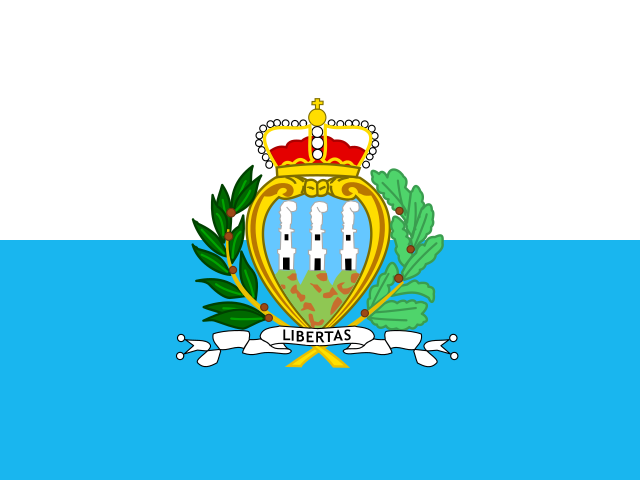 | San Marino | Europe | City of San Marino |
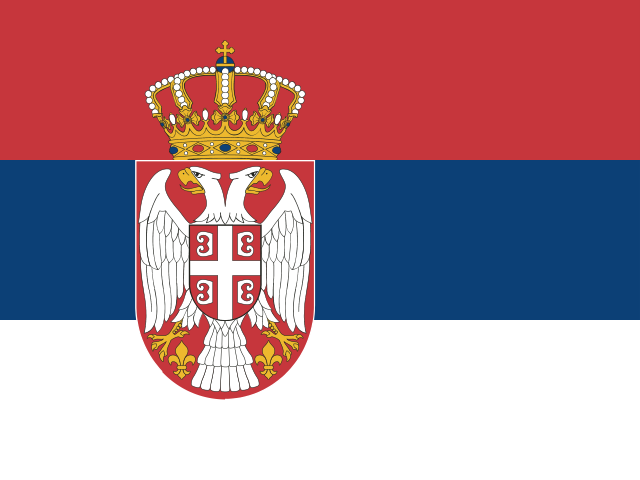 | Serbia | Europe | Belgrade |
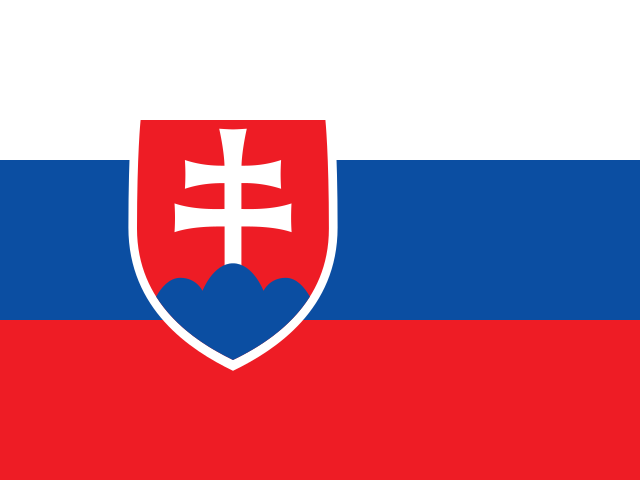 | Slovakia | Europe | Bratislava |
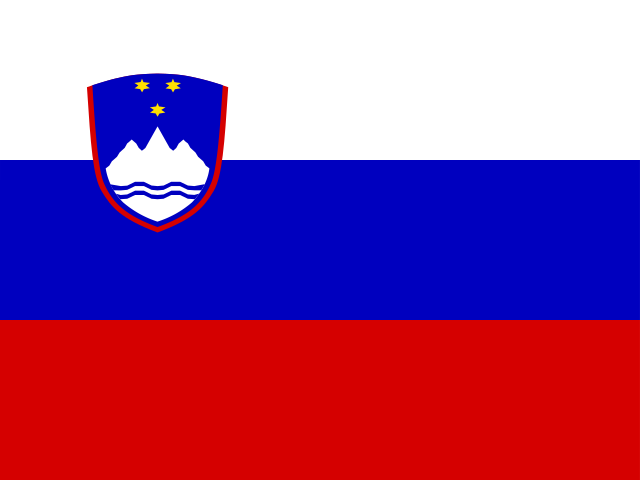 | Slovenia | Europe | Ljubljana |
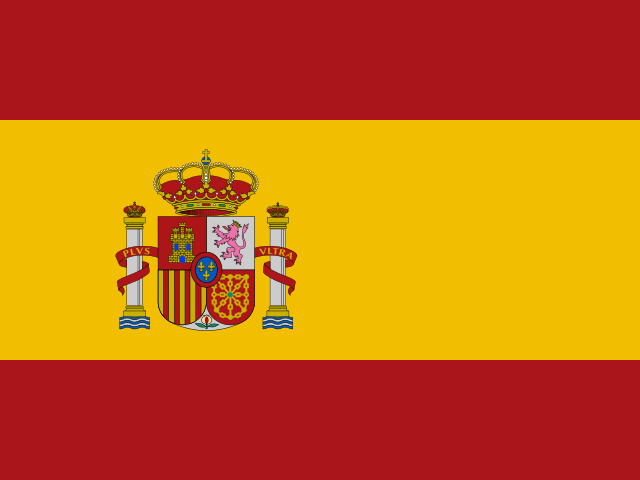 | Spain | Europe | Madrid |
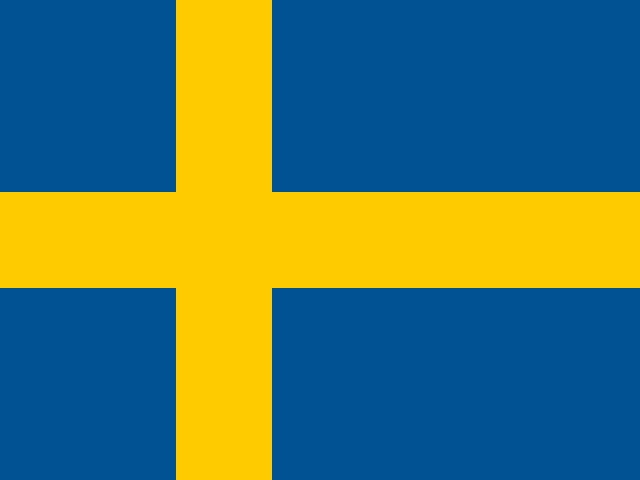 | Sweden | Europe | Stockholm |
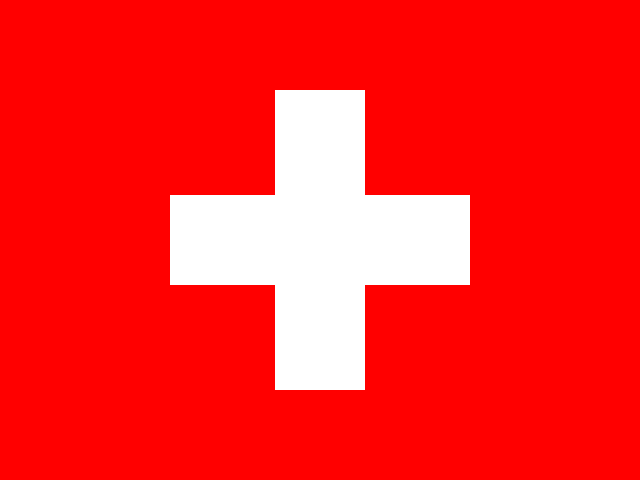 | Switzerland | Europe | Bern |
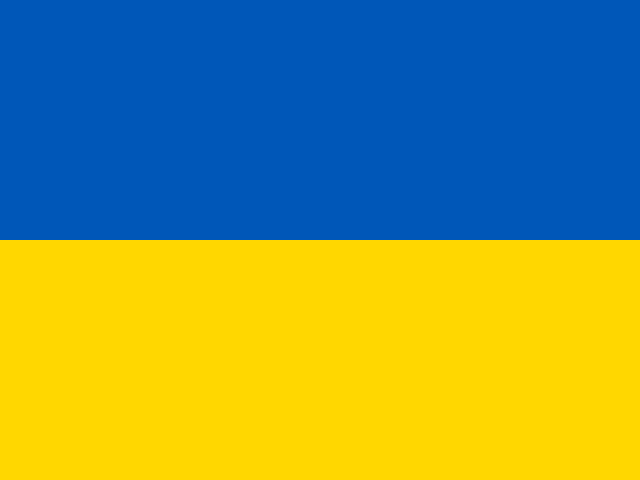 | Ukraine | Europe | Kyiv |
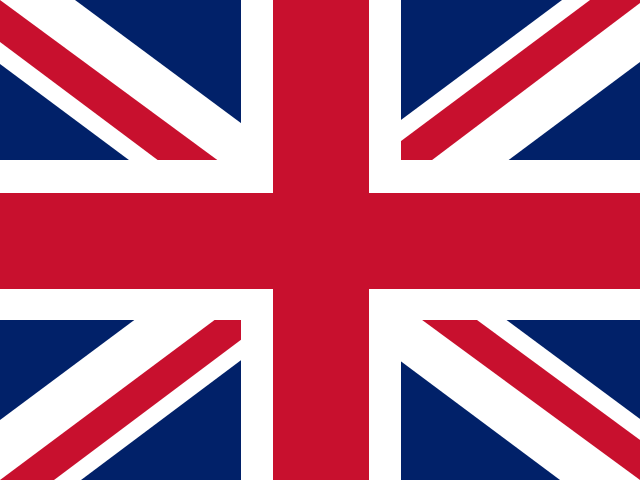 | United Kingdom | Europe | London |
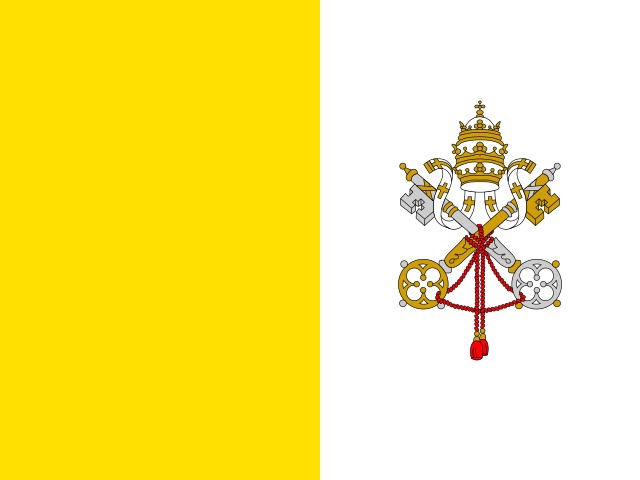 | Vatican City | Europe | Vatican City |
Choose a Europe flag quiz mode
The standard format shows a national flag and asks you to identify its country. Multiple-choice answers are useful when the Europe collection of 45 countries is still new because the options provide names to compare. Typed mode hides those options and asks you to enter the country yourself.
Country to Flag reverses the task: you see the country name and select its design. On the world page, Lookalikes modes place deliberately similar flags together. Changing the direction of the question checks that you know the connection both ways.
Check an unfamiliar flag in four steps
Begin with structure rather than colour. Decide whether the design uses horizontal or vertical bands, a cross, a diagonal division, a plain field, a canton or a central emblem. Layout usually removes more possibilities than a common colour such as red, white, blue or green.
Next, check stripe order and proportions. Then locate the most distinctive symbol and note where it sits. Finish with a regional check: it is not proof by itself, but it can narrow the possible answers before you choose.
- Name the overall layout
- Check order, width and position
- Confirm a symbol, emblem or star pattern
- Use the region as a final sense-check
Compare similar European flags directly
Do not memorise every design as an isolated picture. Group flags from the Europe collection of 45 countries by a shared feature, then state one difference that separates each country. Reversed stripe order, a shifted cross, a different star count or the presence of a coat of arms is easier to remember than colour alone.
When two answers still seem equally likely, open the gallery or flashcards and place them side by side. Return to a short quiz immediately afterwards to check whether you can identify the difference without the comparison in front of you.
Use wrong answers as a review list
A missed question is most useful when you can explain it. Before continuing, identify which feature you overlooked and why the chosen option seemed possible. That short explanation makes the next encounter more meaningful than simply seeing the correct country name.
Review missed designs in a smaller set. Five or ten questions leave enough attention for comparison, while a long world round can hide the same weak pair among many easy answers. Repeat the small set after a break to check whether the clue still comes to mind.
Move from multiple choice to typed answers
Start with a short multiple-choice round from the Europe collection of 45 countries. Once the main flag patterns feel familiar, keep the same set and switch to typed answers. A lower score is normal because entering a name without options is harder than choosing it from a list.
Finish by mixing the set or changing the question direction. If you can identify the country from the flag and select the flag from the country name, the connection is less dependent on one interface or one memorised order.
Build a repeatable practice routine
Browse European flags for a few minutes, play one short quiz, and save uncertain designs for flashcard review. On the next session, begin with those saved cards before adding unfamiliar countries. This study–test–review loop keeps the activity focused without turning it into a long cram.
Use a timer only after your answers are consistently accurate. Early timed play may encourage guesses based on one colour, so identify the flag reliably before trying to finish faster.
Add country context without ignoring the flag
A capital, continent or neighbouring country can make a flag easier to remember, but connect that fact with a real feature in the design. Use a cross, emblem, star group or stripe pattern so the memory still works when no hint is shown.
After identifying the flag, say one additional fact and one visual clue. This creates more than one route back to the country while keeping the quiz focused on what is actually visible.
FAQ
Frequently asked questions
How does the Europe flag quiz work?
Each question shows a flag from the Europe collection. Choose the country or type its name, read the feedback and continue until the round is complete. Your score shows how many flags you identified correctly.
Which modes are available in the Europe flag quiz?
The Europe quiz includes Flag to Country and Country to Flag. Lookalike modes are available only in the world quiz because they compare similar designs from different regions.
Which settings can I change?
Open Settings below the game title to choose multiple-choice or typed answers, timed or untimed play, and rounds of 5, 10, 20 or 50 flags. Country to Flag and the lookalike modes use fixed settings.
Which flags are included in the Europe quiz?
The quiz includes 45 country flags from the Europe collection. Open the flag gallery or flashcards when you want to review the full set before another round.