Regional learning plan
Build a complete Oceania geography practice path
Connect the 14 country flags with their capitals and subregions, then change the activity until you can answer without visible options.
A deliberate sequence prevents the gallery, flashcards and games from becoming disconnected visits. Each step below keeps the same regional facts while changing what you see and what you must answer.
Place the countries before memorising details
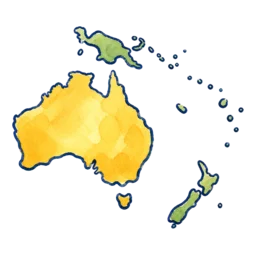
Begin with a broad mental map of Oceania. Learn the major subregions and a few familiar countries before adding close neighbours. Geographic context gives each new flag or capital somewhere to belong instead of leaving it as an isolated name.
Use the region hub to move between activities without changing the country set. A fact first seen in the gallery should reappear in flashcards and quizzes, making it easier to answer in a new format.
- Australia and New Zealand: Australia–Canberra, New Zealand–Wellington.
- Melanesia: Fiji–Suva, Papua New Guinea–Port Moresby, Solomon Islands–Honiara, Vanuatu–Port Vila.
- Micronesia: Kiribati–South Tarawa, Marshall Islands–Majuro, Micronesia–Palikir, Nauru–Yaren.
- Polynesia: Samoa–Apia, Tonga–Nuku'alofa, Tuvalu–Funafuti.
Learn similar flag groups together
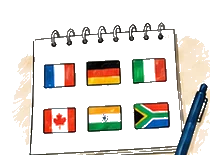
Use the patterns in the flag guide above as comparison groups rather than treating all 14 designs as one long sequence. Shared layouts narrow the possibilities to a group; the remaining symbol, order or proportion identifies the country.
Compare complete designs side by side and name one identifying feature for each country. Stripe direction, cross position, star count, field proportion and emblem placement are more reliable than trying to remember a general impression of the colours.
After the comparison, hide the country names with flashcards. Think of the answer before revealing it to check whether the distinction still works when the country name is no longer beside the flag.
Connect each country with its capital
Capitals are easier to remember when nearby countries are practised as a small group. Say the country, picture its location and name the capital before checking. Keep easily confused pairs together until the contrast is clear.
Start with multiple choice if the names are unfamiliar, then switch to typed answers. Typing checks whether you can enter and spell the city without options, while a later mixed world round checks that the regional list order was not doing the work.
Choose the right game for the skill
The Oceania flag quiz asks you to identify complete flags, while the Flag Color Game hides the layout and shows only the palette. Flagle reveals a mystery design piece by piece. The Capital City Quiz asks for a city from a country; Country from Capital reverses that relationship.
Change one variable at a time. Keep the regional set while switching answer mode, or keep multiple choice while moving from a small group to all 14 countries. This makes it easier to understand why a score changed.
Review mistakes in a shorter set
Do not restart the longest quiz after every miss. Save uncertain flags, write down recurring capital pairs and review only those items while the reason for the error is still clear. A focused list gives each weak answer more useful repetition.
Return after a break and test the same items in a different order. Immediate repetition can feel easy because the answer is still fresh; a correct answer on another day is a better sign that the connection will last.
Know when to return to the world set
Regional practice is preparation, not the final test. Once you can name the main Oceania flags and capitals without visible options, combine them with another continent or return to the complete 195-country collection.
World play removes the regional hint and asks the design or country name to stand on its own. If performance drops, bring the difficult items back to this hub, compare them with their neighbours and repeat the study–test–review cycle.