
Unlimited practice
Asia Flagle Game
The flag begins fully covered. Each wrong guess—or a dice roll—reveals one section.

Need a hand? You have 2 dice rolls left. Each one reveals a piece and uses a guess.
- 1Waiting for a guess
- 2Waiting for a guess
- 3Waiting for a guess
- 4Waiting for a guess
- 5Waiting for a guess
- 6Waiting for a guess
Game guide
How to play Asia Flagle Game
Learn how reveals, guesses and the timer work before you start the next Asia Flagle game. Each puzzle turns identifying a country flag into a six-guess geography challenge.
How to solve the Asia Flagle Game
A small patch of colour can match many Asian flags. Wait until the reveal shows part of a disc, crescent, star, wheel or emblem before choosing between countries with similar palettes.
Read the shape, not just the colour
A curved edge may belong to a sun or crescent, while a detailed fragment may be part of a national emblem. The shape of the reveal usually narrows the answer faster than the colour by itself.
- Look for a disc, crescent or wheel
- Decide whether the background is plain or striped
- Separate geometric symbols from detailed emblems
Asia country and capital comparison
Compare all 47 countries in Flagzy’s Asia region with their flags and capitals. The list follows the same regional collection used by the games and study tools on this page.
| Flag | Country | Region | Capital |
|---|---|---|---|
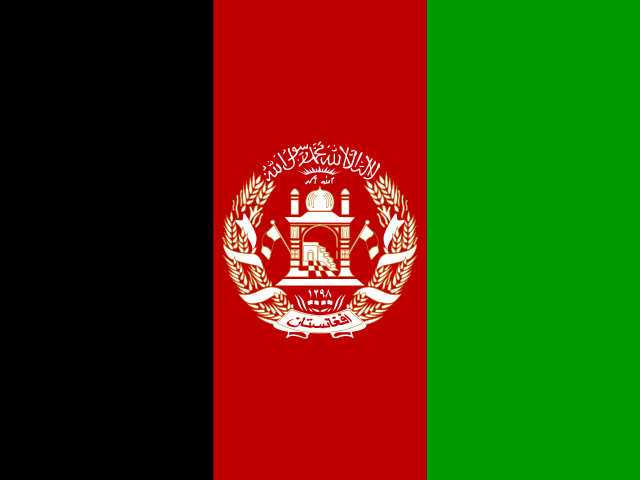
| Afghanistan | Asia | Kabul |
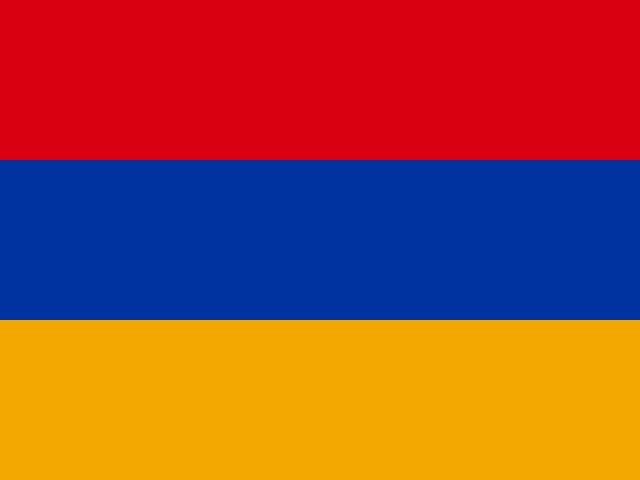 | Armenia | Asia | Yerevan |
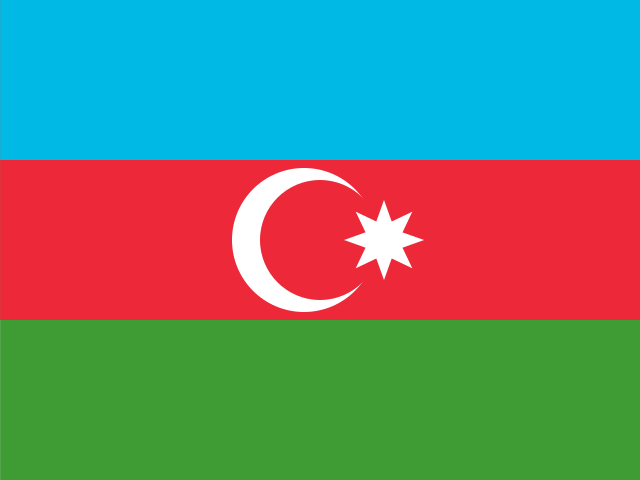 | Azerbaijan | Asia | Baku |
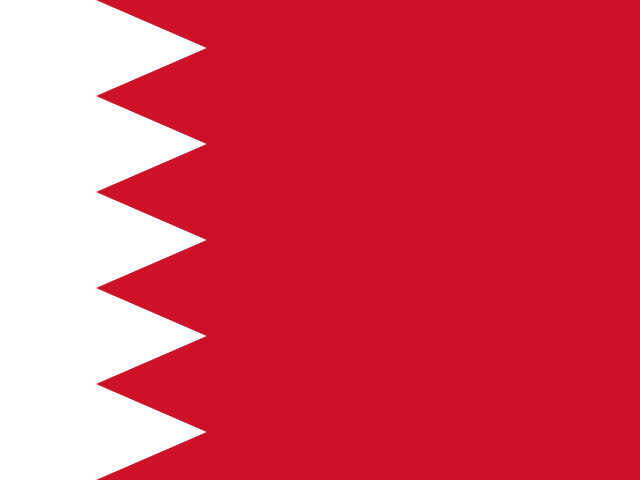 | Bahrain | Asia | Manama |
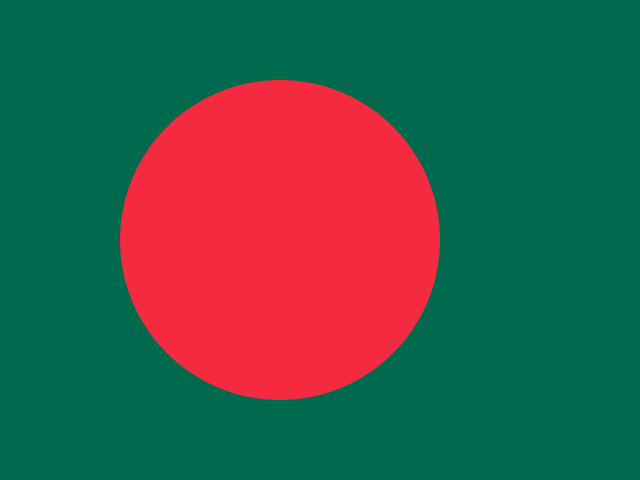 | Bangladesh | Asia | Dhaka |
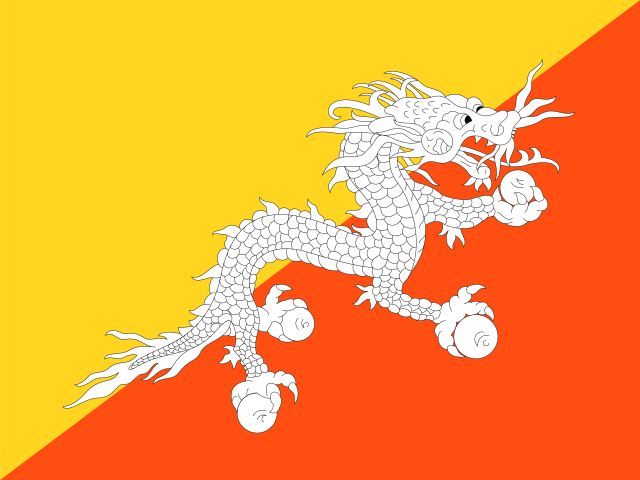 | Bhutan | Asia | Thimphu |
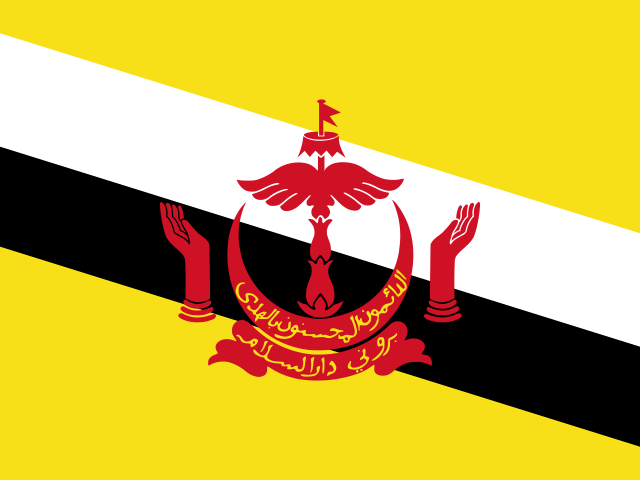 | Brunei | Asia | Bandar Seri Begawan |
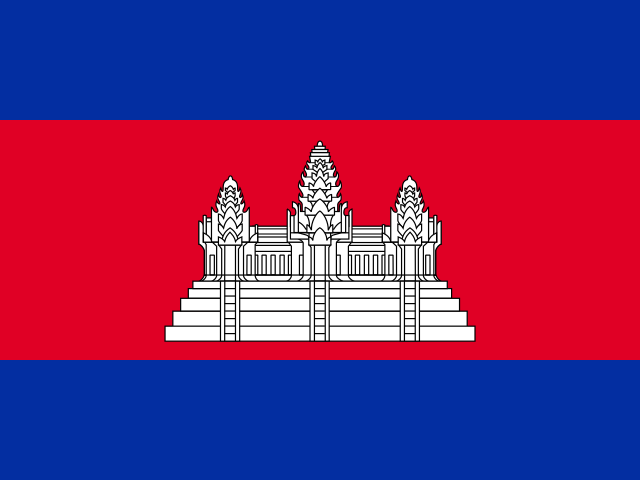 | Cambodia | Asia | Phnom Penh |
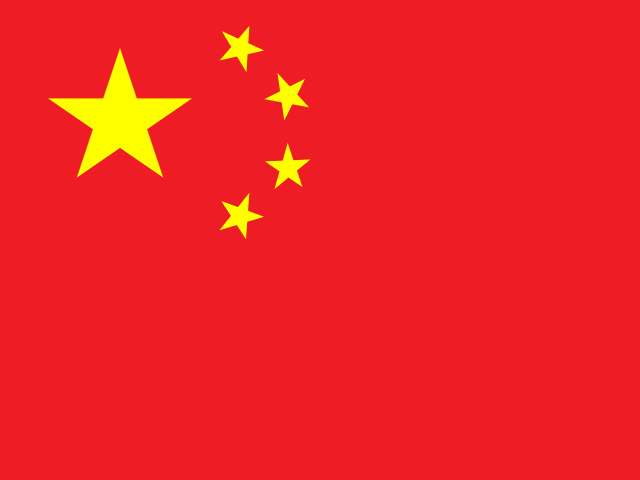 | China | Asia | Beijing |
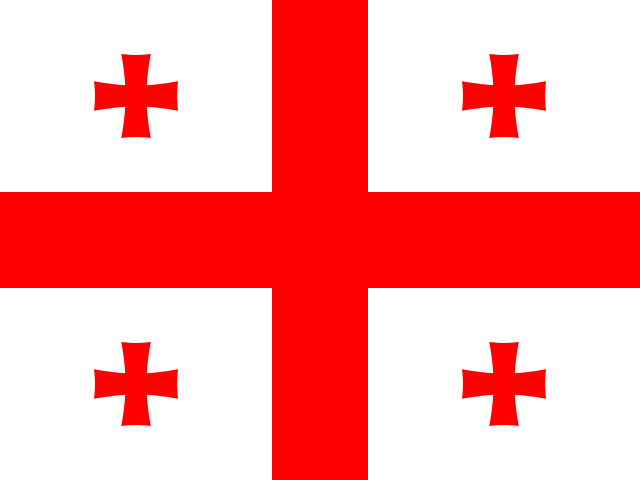 | Georgia | Asia | Tbilisi |
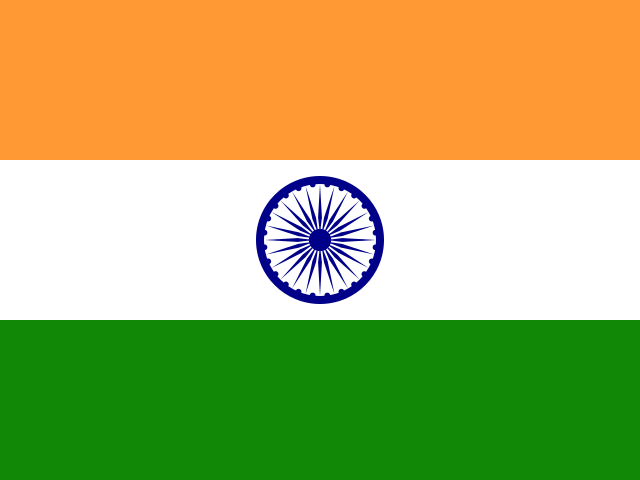 | India | Asia | New Delhi |
 | Indonesia | Asia | Jakarta |
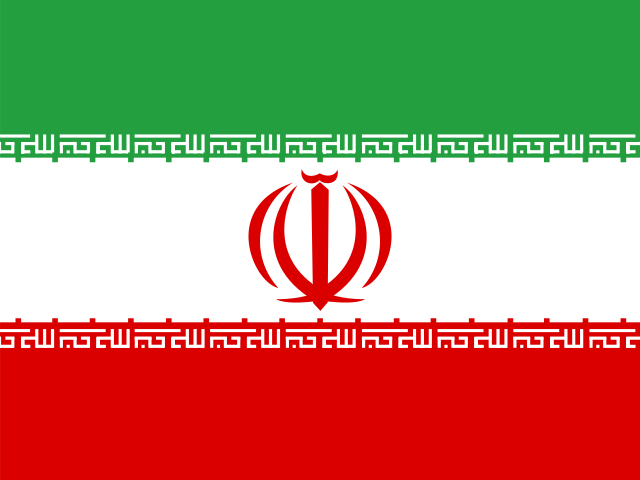 | Iran | Asia | Tehran |
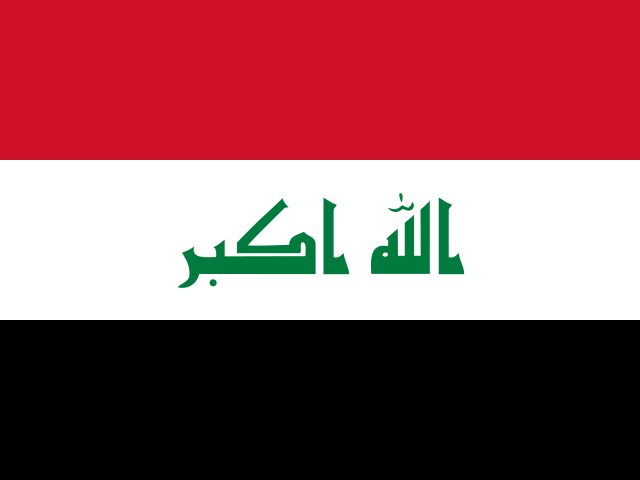 | Iraq | Asia | Baghdad |
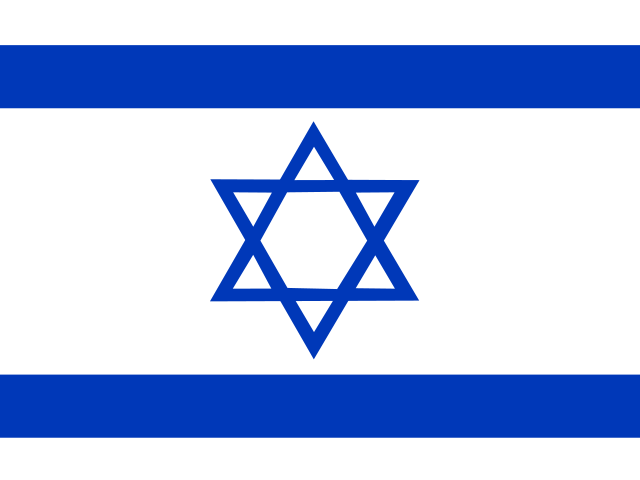 | Israel | Asia | Jerusalem |
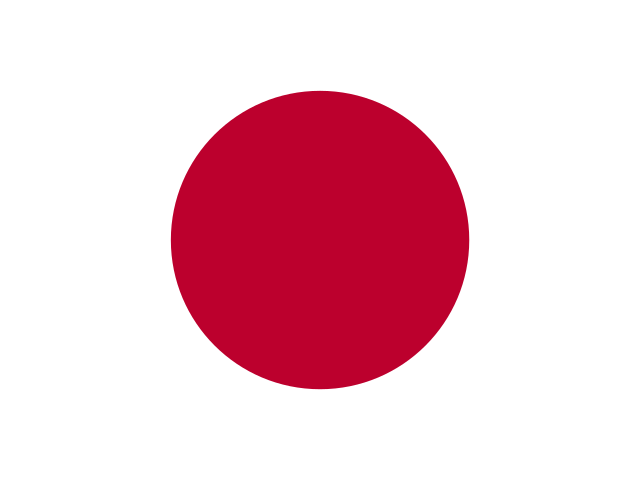 | Japan | Asia | Tokyo |
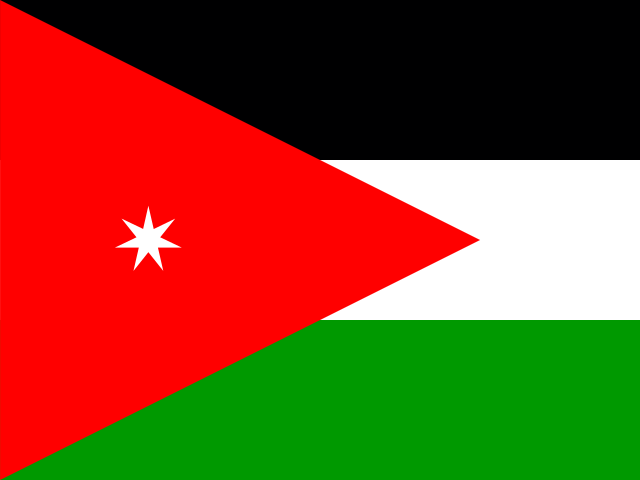 | Jordan | Asia | Amman |
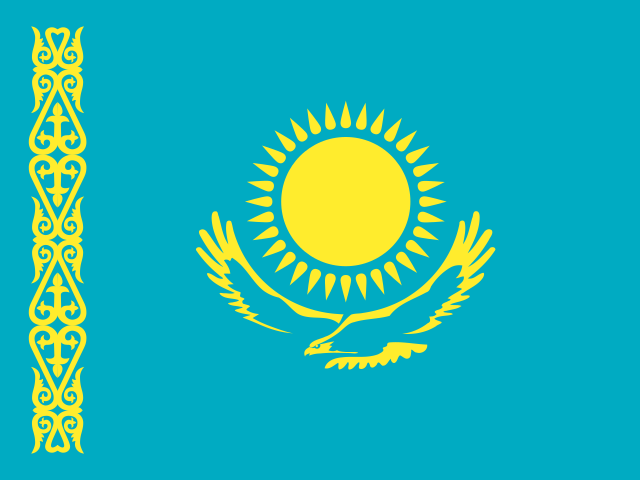 | Kazakhstan | Asia | Astana |
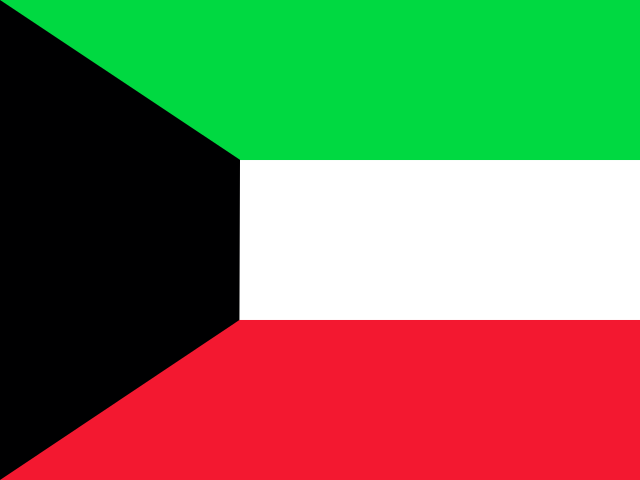 | Kuwait | Asia | Kuwait City |
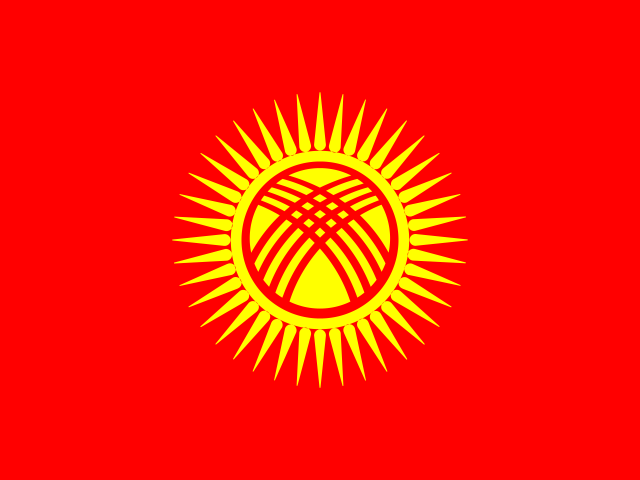 | Kyrgyzstan | Asia | Bishkek |
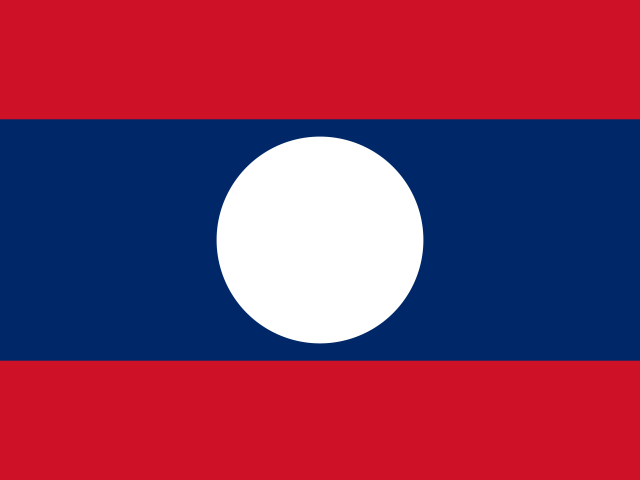 | Laos | Asia | Vientiane |
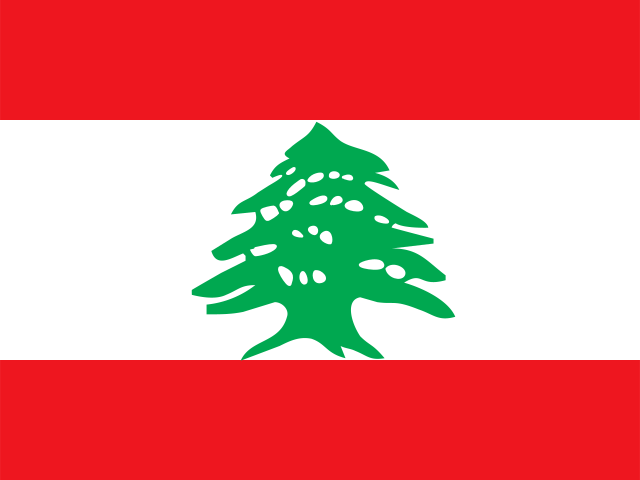 | Lebanon | Asia | Beirut |
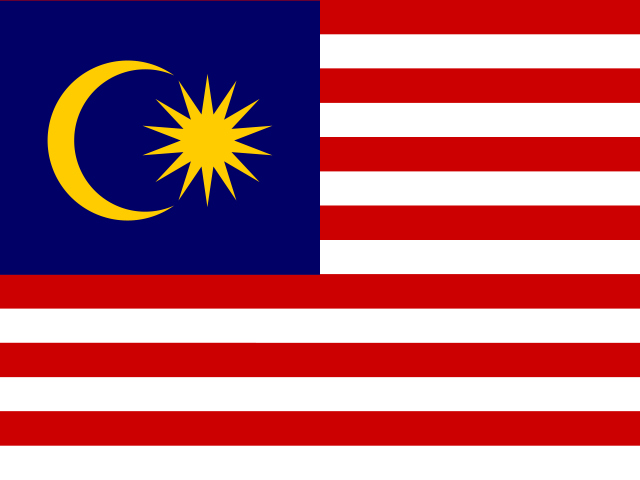 | Malaysia | Asia | Kuala Lumpur |
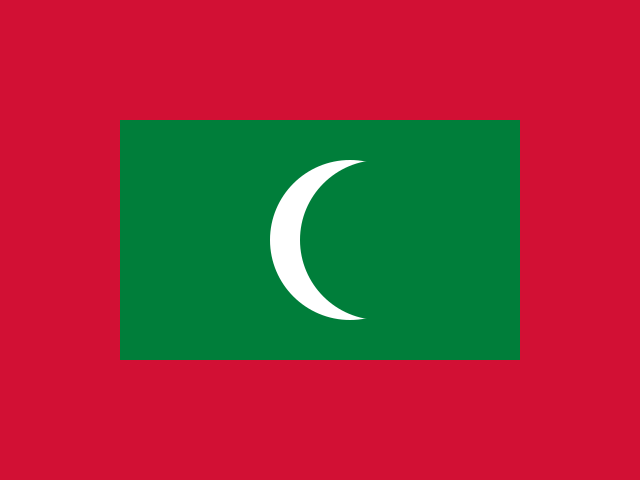 | Maldives | Asia | Malé |
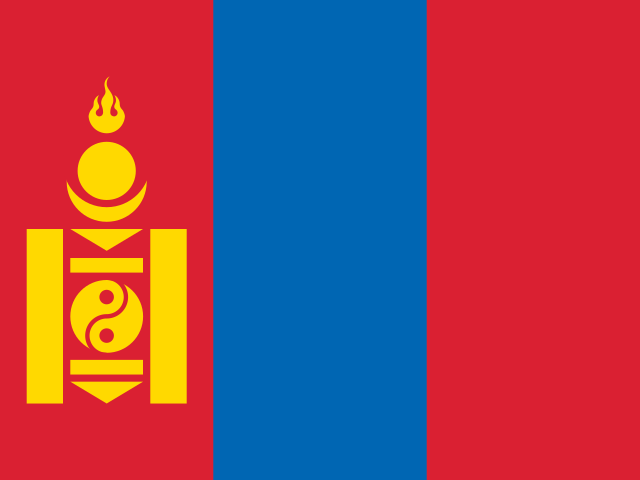 | Mongolia | Asia | Ulan Bator |
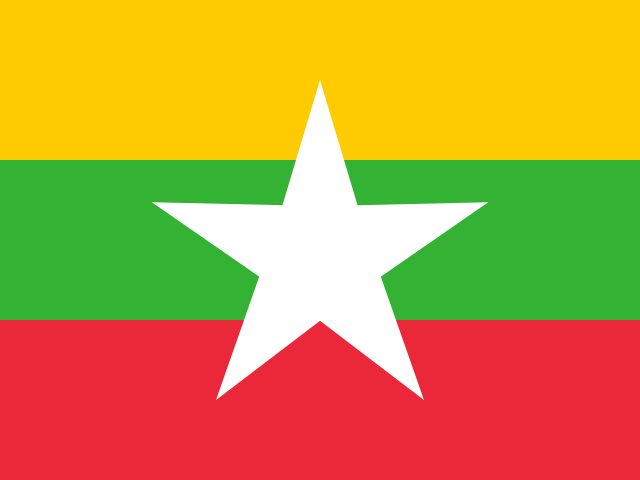 | Myanmar | Asia | Naypyidaw |
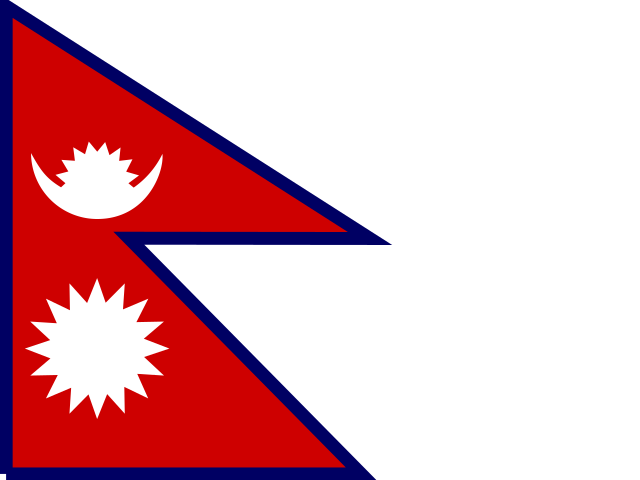 | Nepal | Asia | Kathmandu |
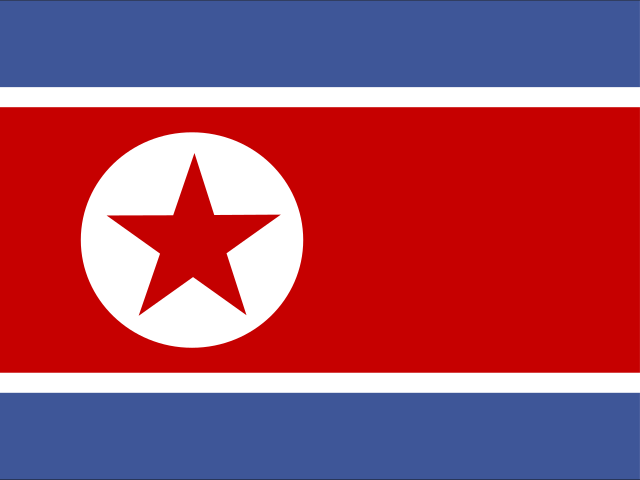 | North Korea | Asia | Pyongyang |
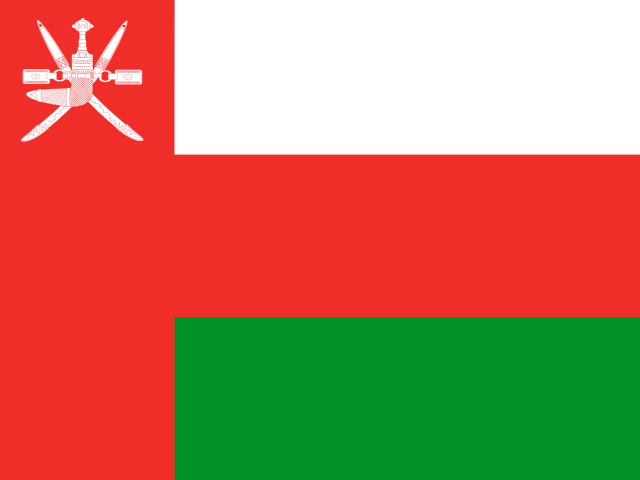 | Oman | Asia | Muscat |
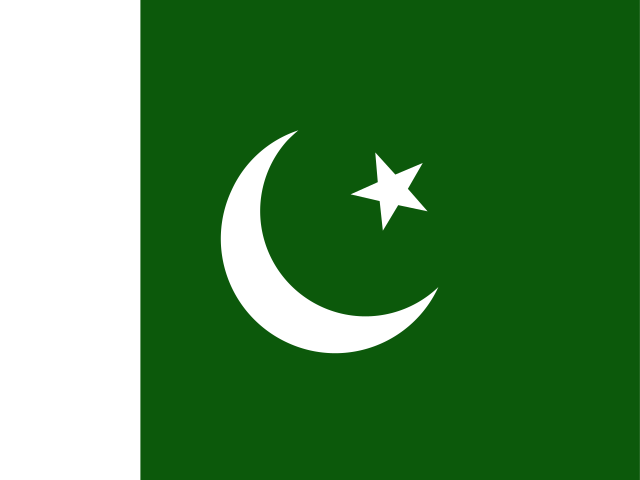 | Pakistan | Asia | Islamabad |
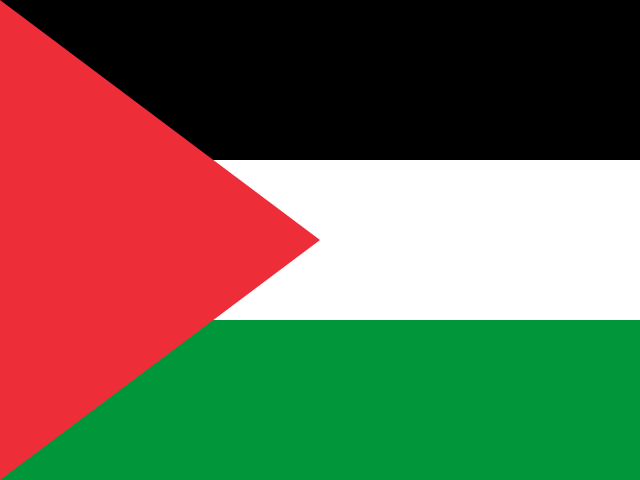 | Palestine | Asia | Ramallah |
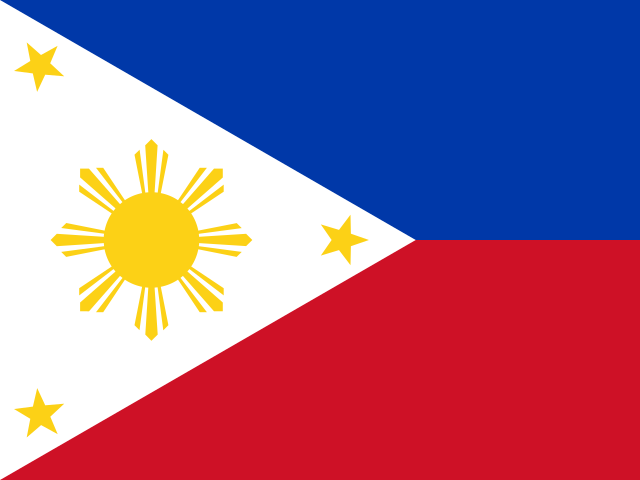 | Philippines | Asia | Manila |
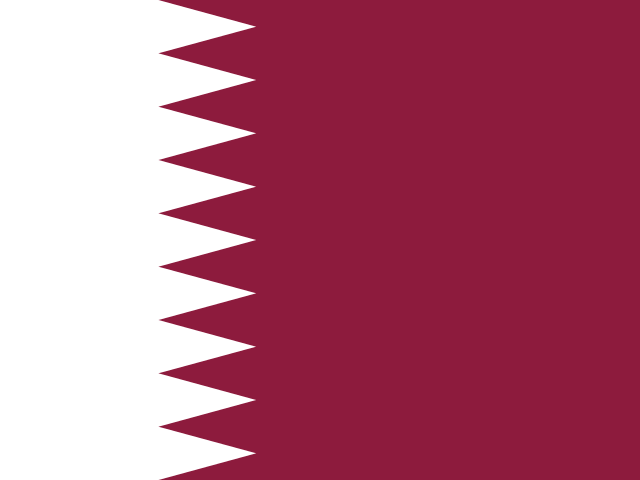 | Qatar | Asia | Doha |
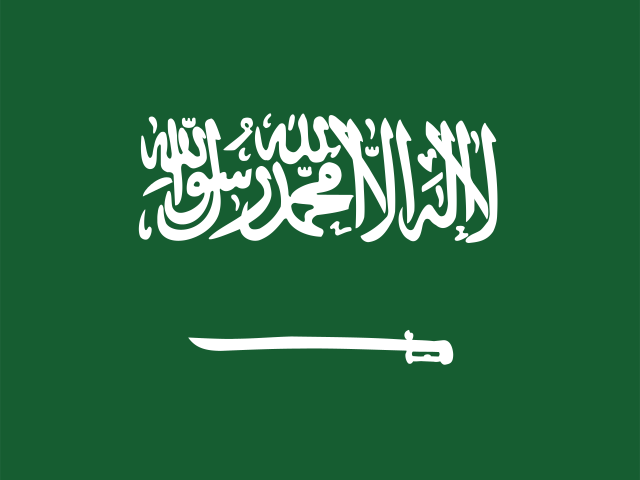 | Saudi Arabia | Asia | Riyadh |
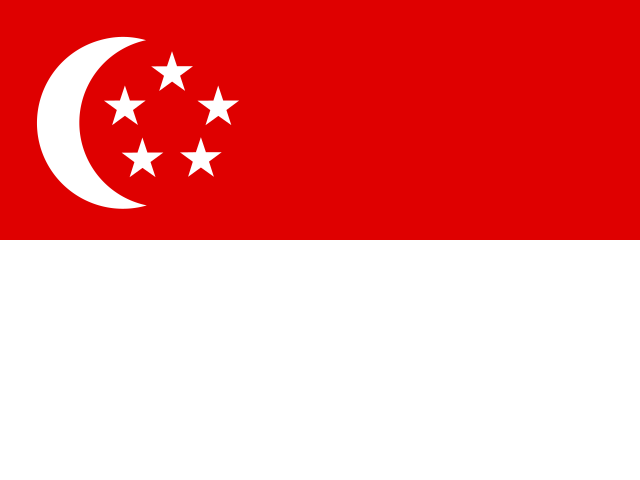 | Singapore | Asia | Singapore |
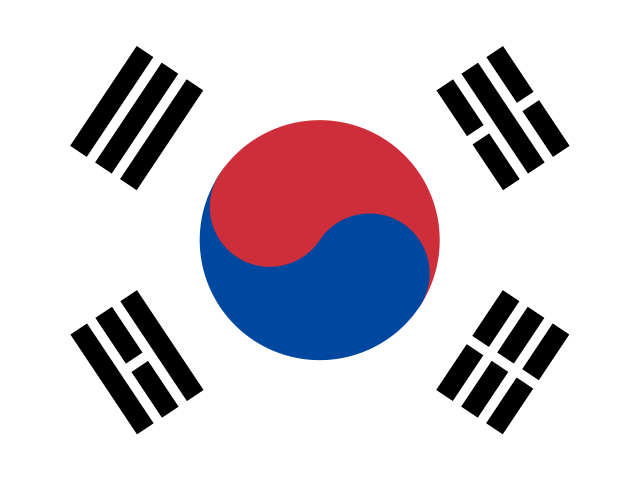 | South Korea | Asia | Seoul |
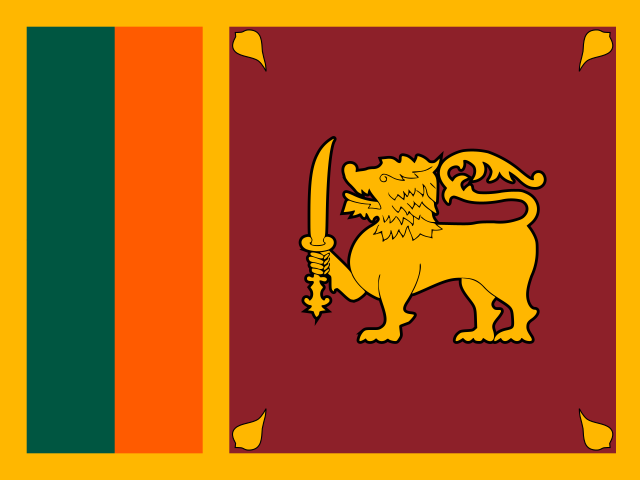 | Sri Lanka | Asia | Colombo |
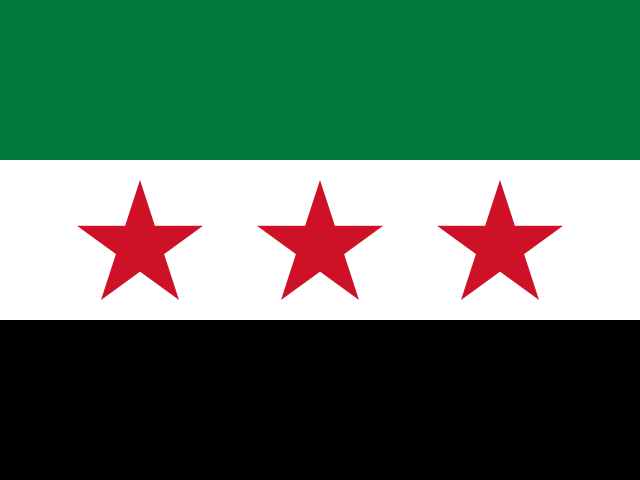 | Syria | Asia | Damascus |
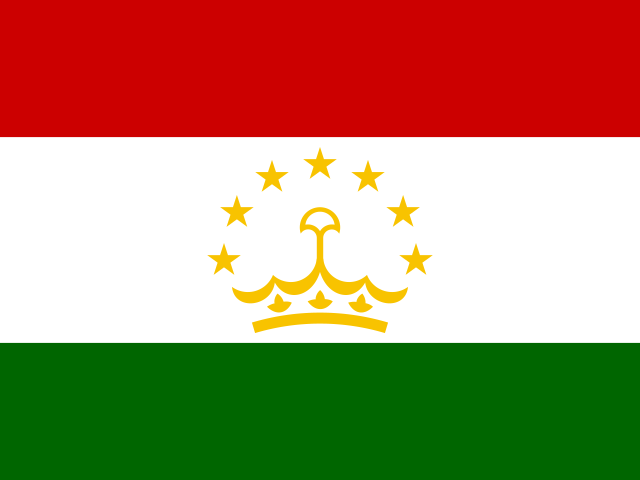 | Tajikistan | Asia | Dushanbe |
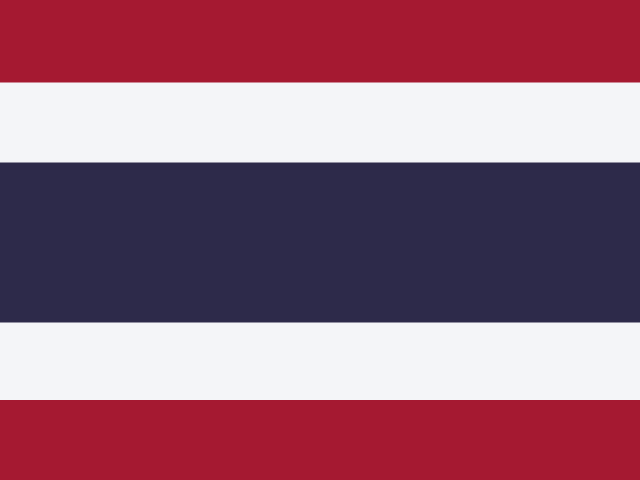 | Thailand | Asia | Bangkok |
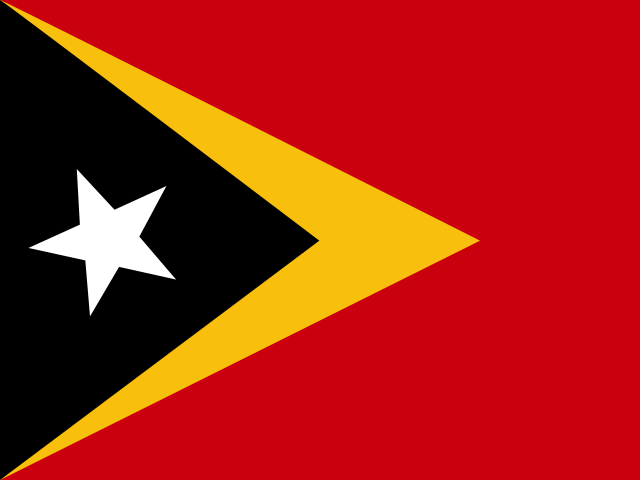 | Timor-Leste | Asia | Dili |
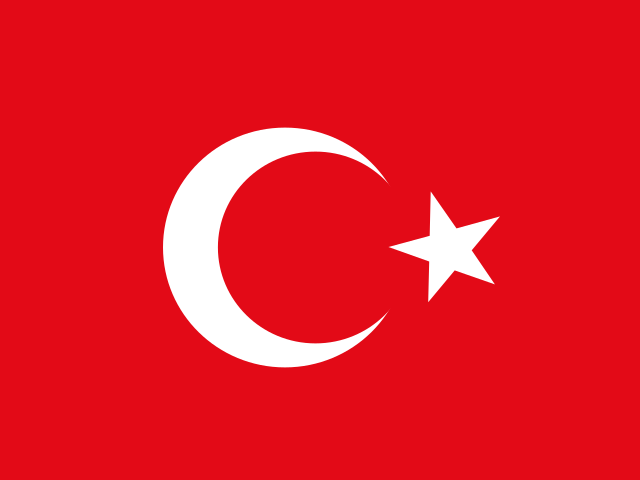 | Türkiye | Asia | Ankara |
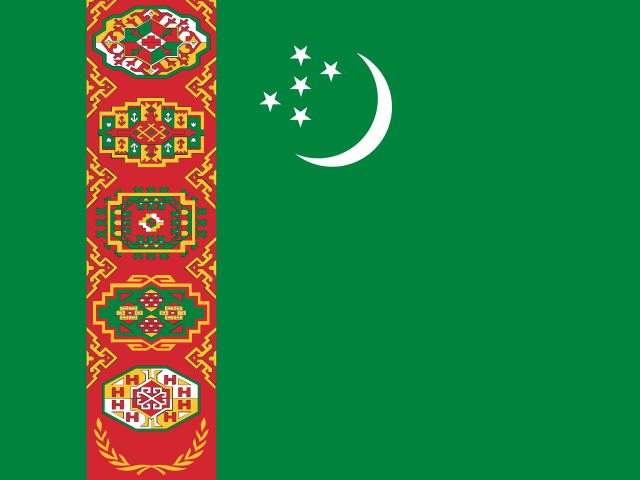 | Turkmenistan | Asia | Ashgabat |
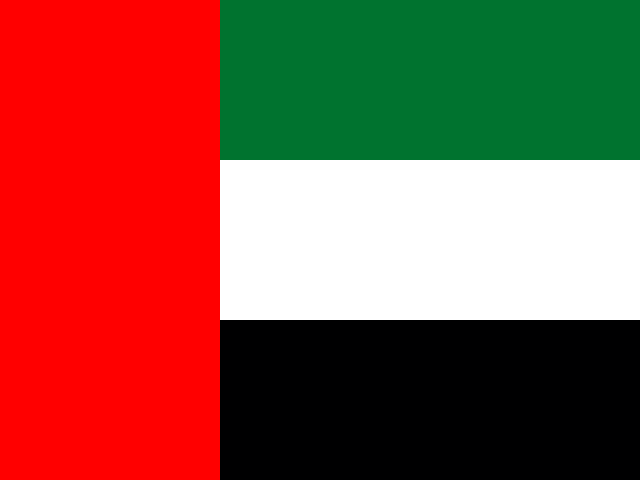 | United Arab Emirates | Asia | Abu Dhabi |
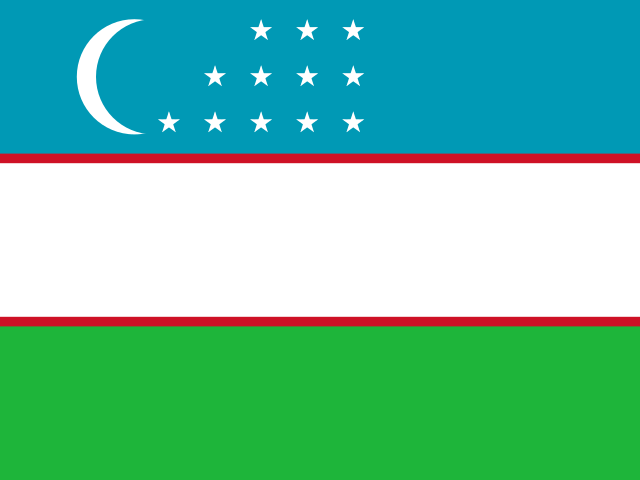 | Uzbekistan | Asia | Tashkent |
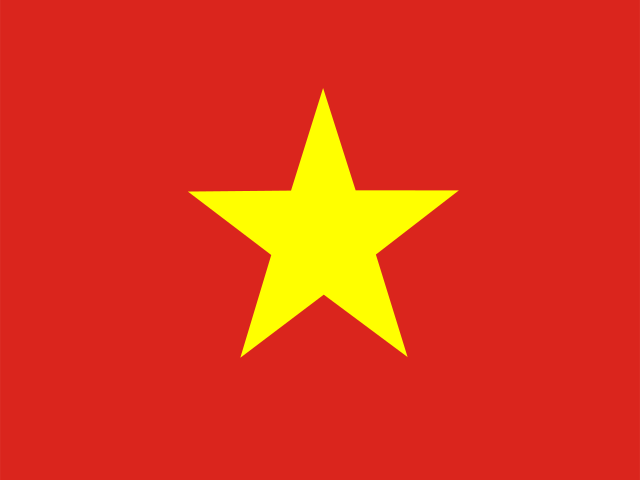 | Vietnam | Asia | Hanoi |
 | Yemen | Asia | Sana'a |
Plan a Asia Flagle round
Each puzzle hides one flag from the Asia collection of 47 countries. An incorrect country or a dice reveal uncovers another part of the image, so every used slot should reduce the number of possible answers. The challenge is deciding when the visible details are strong enough to support a guess.
Six large pieces reveal more information at once. Eight smaller pieces make early fragments harder to interpret but provide a longer trail of clues. Choose a familiar regional set with smaller pieces for detailed practice, or use the world set when you want maximum variety.
Read revealed pieces in a useful order
Treat colour as a category, not a conclusion. First identify the base palette, then look for the boundary that reveals the layout: a horizontal band, vertical stripe, cross, diagonal field, canton or central shape. The position of a colour is usually more informative than the colour itself.
After the layout is clear, search for a clear identifying feature. A partial star, crescent, sun, shield, plant, bird or coat of arms may narrow the possibilities to a small group. Count repeated symbols and check whether they sit in the centre, near the hoist or inside a canton.
- Classify the colours
- Find a structural boundary
- Locate and count symbols
- Check proportions before the final guess
Use the first reveal to narrow the possibilities
The opening piece will often fit several flags in the Asia collection of 47 countries. Keep two or three candidates rather than typing the first country with a matching palette. Ask what the hidden sections would need to contain if your leading idea were correct.
By the middle of the round, actively try to disprove that idea. If you expect a tricolour, verify the stripe direction. If you expect a cross or emblem, check whether the next fragment appears in the right position. A detail that does not fit should change your possible answers immediately.
Use shared Asian flag patterns as clues
Flags are easier to solve when you notice shared design traditions. Within the Asia collection of 47 countries, crosses, tricolours, Pan-African palettes, Commonwealth-derived cantons, stars and national emblems each create useful groups. A reveal can identify the group before it identifies the country.
Wait for the feature that separates close relatives. Australia and New Zealand require a star comparison; Colombia, Ecuador and Venezuela require symbols and stripe proportions; several Nordic flags require both cross colour and field colour.
Use reveals and country guesses deliberately
A dice reveal is valuable when the current fragment supports too many countries. A country guess is justified when the expected layout and at least one distinctive detail agree. Random names consume the same limited slots without creating a useful test of your reasoning.
Save the last attempts for confirmation. Late pieces often expose the emblem, star group or stripe boundary that early blocks lacked. Even when the puzzle remains unsolved, review which visible feature should have changed your answer and carry that clue into the next round.
Improve without memorising the puzzle order
After a difficult Asia puzzle, open the matching flag gallery and compare the target with the countries you considered. Name one clear visual difference, then return to practice with a new random flag.
Alternate regions, piece counts and unlimited rounds. This changes the order and amount of information you see, making improvement depend on flag knowledge rather than familiarity with a single sequence of reveals.
Balance a fast solve with a supported solve
An early correct answer is satisfying, but speed is meaningful only when the visible clue really supports the country. Before submitting, state the layout and one detail you expect to appear in a hidden section. This separates a reasoned answer from a lucky colour match.
Track whether mistakes come from acting too early or overlooking a revealed detail. If early guesses dominate, wait for one structural boundary. If late mistakes persist, slow down and compare symbol count, placement and proportions before the final slot.
Review the completed flag as a whole
When the cover disappears, scan the full design from hoist to fly and compare it with the countries you considered. Notice which revealed piece was most useful and which fragments were too common to justify an answer.
That final review shows which clues are useful. In a later round, you will know when a single corner is enough and when the puzzle still needs a cross, emblem or stripe boundary.
FAQ
Frequently asked questions
How do I play the Asia Flagle Game?
A mystery flag from Asia starts covered. Each wrong answer reveals another piece, and you receive one guess slot for every piece in the selected 6- or 8-piece layout.
What happens when I roll the dice?
You can roll the dice up to two times. Each roll uses one guess and reveals a piece of the flag. Open Settings to switch between 6 large pieces and 8 smaller pieces; the game always provides one guess slot for every piece.
How does the Flagle timer work?
The timer starts with each new mystery flag and stops when the puzzle is solved or the final available guess is used. Your exact completion time is shown with the result.
Which flags are included in the Asia Flagle Game?
The Asia Flagle Game uses 47 country flags from the region. Every mystery flag on this page comes from that set.