
Asia Capital City Quiz
Random 5 · Asia
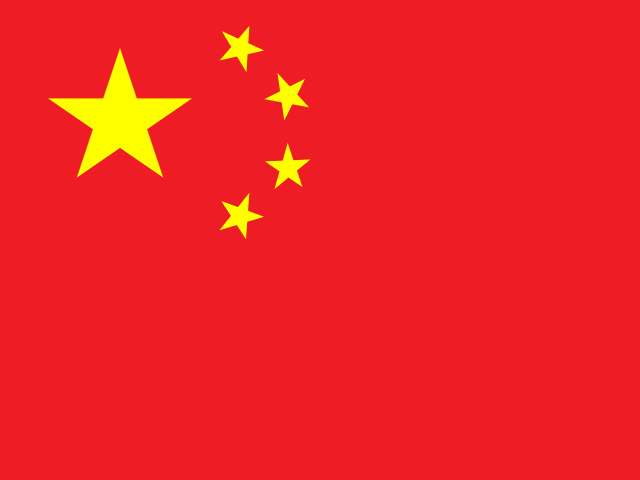
What is the capital of China?

Need a hand?
Game guide
How to play the Asia Capital City Quiz
Learn how the Asia Capital City Quiz works, which countries are included and how to practise.
How to study Asian capitals
Learn Asian capitals by subregion instead of mixing all 47 countries at once. East Asian and Gulf capitals make useful starting points, while Central Asian names benefit from separate spelling practice.
Practise Central Asia as one set
Keep Kazakhstan–Astana, Kyrgyzstan–Bishkek, Tajikistan–Dushanbe, Turkmenistan–Ashgabat and Uzbekistan–Tashkent together until each pair feels familiar.
- Create separate subregional practice sets
- Type Central Asian capitals to learn the spelling
- Use familiar island and city-state capitals as reference points
Asia country and capital comparison
Compare all 47 countries in Flagzy’s Asia region with their flags and capitals. The list follows the same regional collection used by the games and study tools on this page.
| Flag | Country | Region | Capital |
|---|---|---|---|
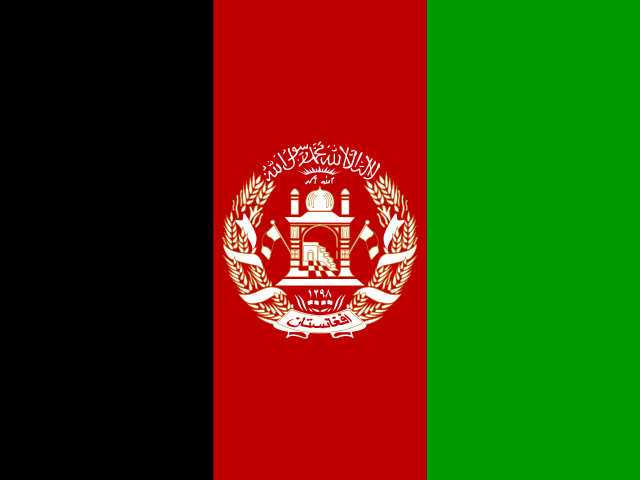 | Afghanistan | Asia | Kabul |
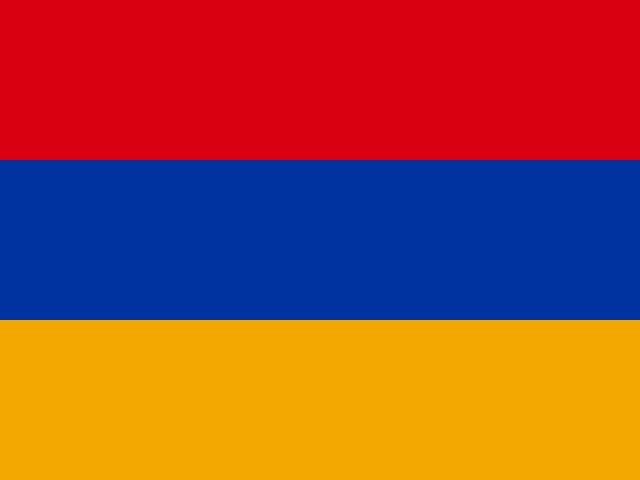 | Armenia | Asia | Yerevan |
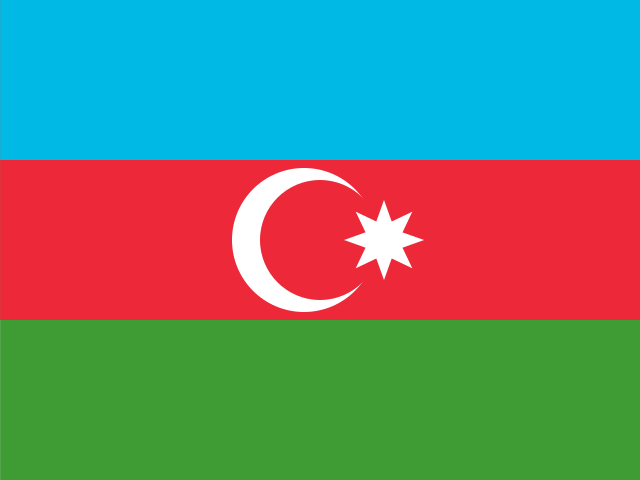 | Azerbaijan | Asia | Baku |
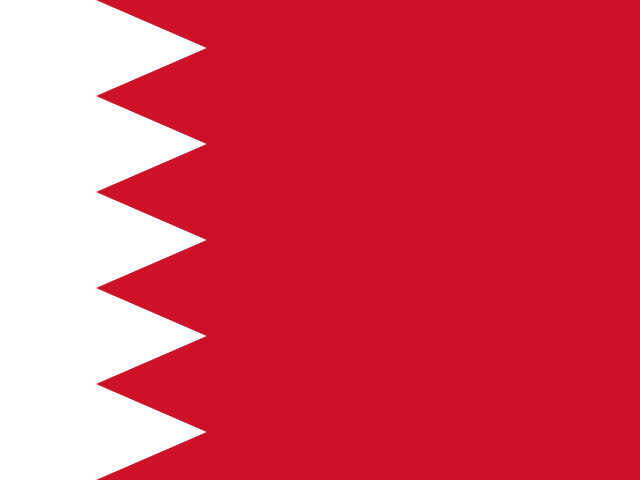 | Bahrain | Asia | Manama |
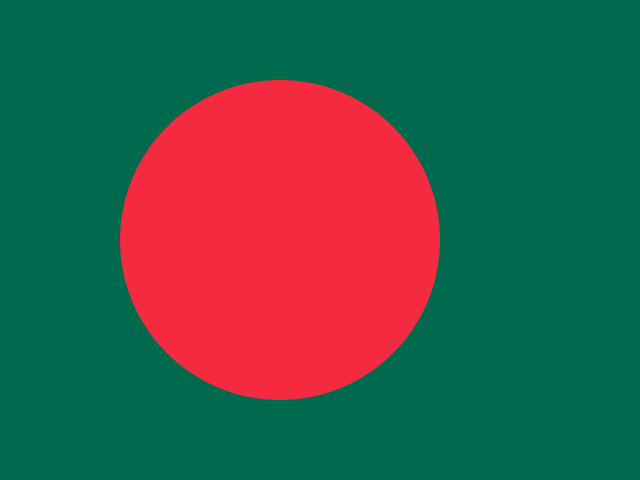 | Bangladesh | Asia | Dhaka |
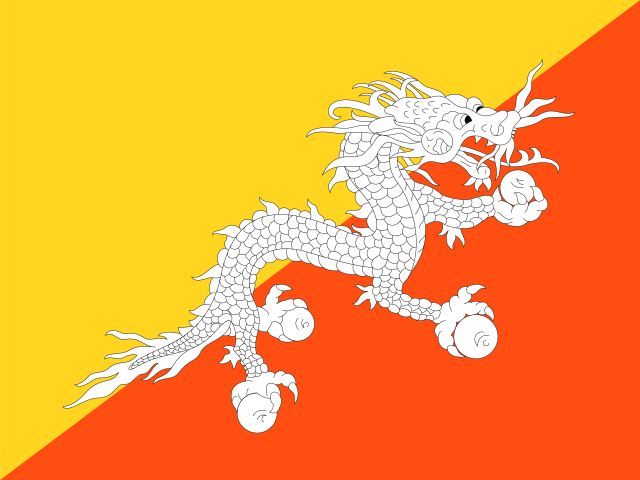 | Bhutan | Asia | Thimphu |
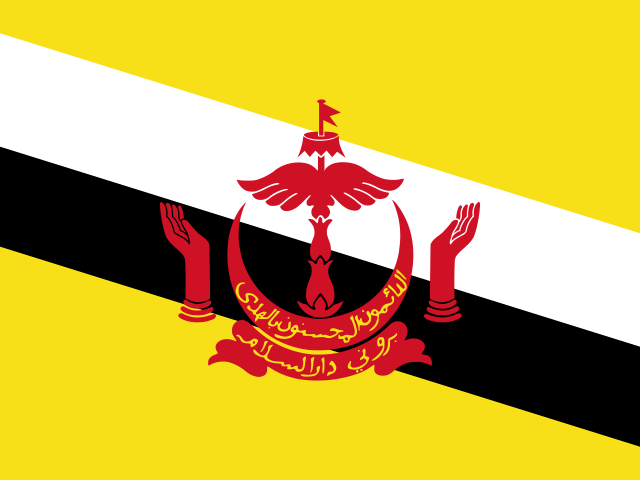 | Brunei | Asia | Bandar Seri Begawan |
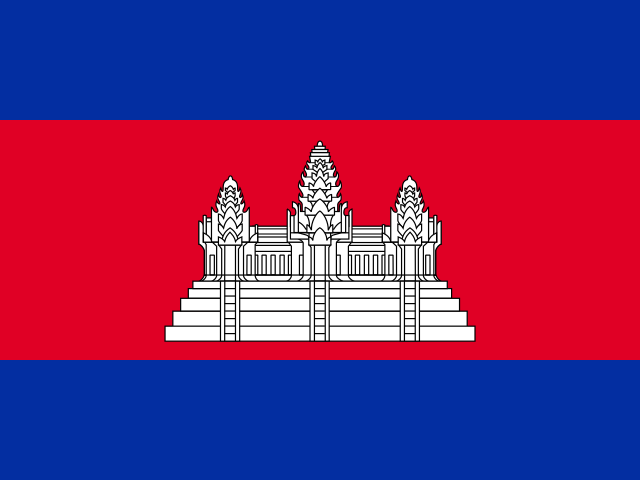 | Cambodia | Asia | Phnom Penh |
| China | Asia | Beijing |
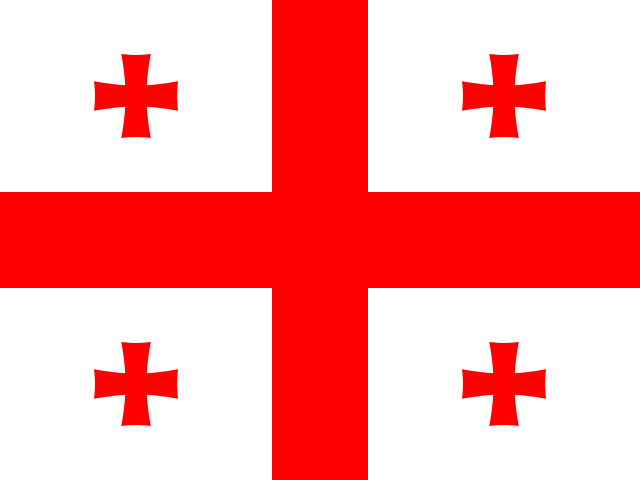 | Georgia | Asia | Tbilisi |
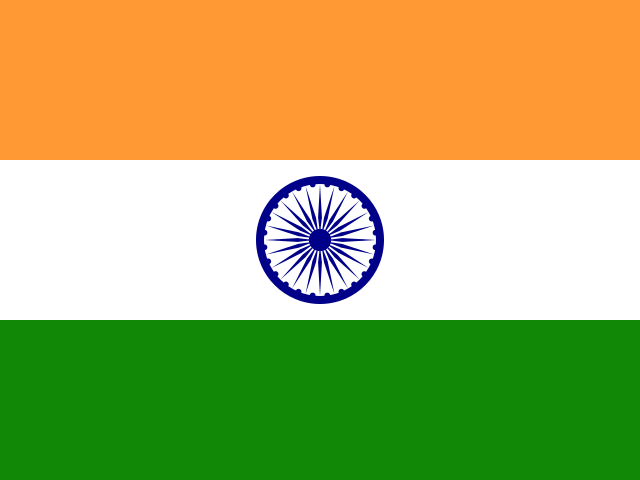 | India | Asia | New Delhi |
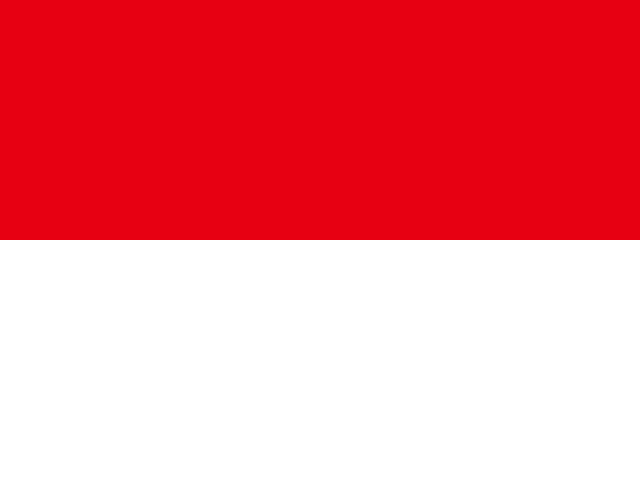 | Indonesia | Asia | Jakarta |
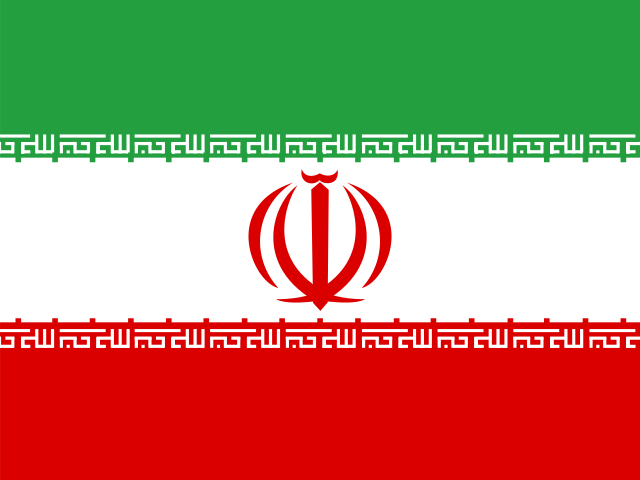 | Iran | Asia | Tehran |
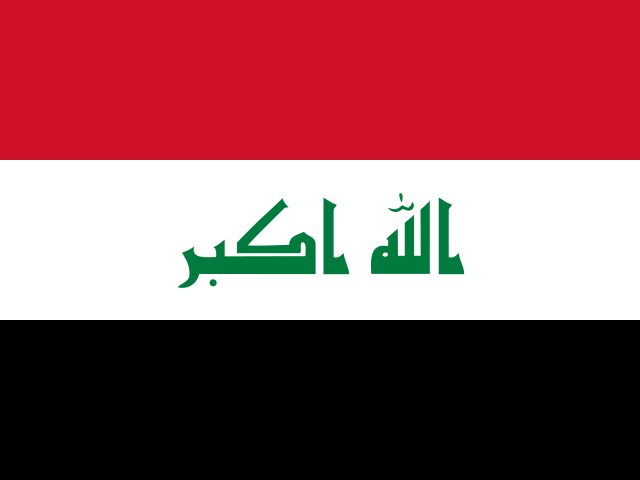 | Iraq | Asia | Baghdad |
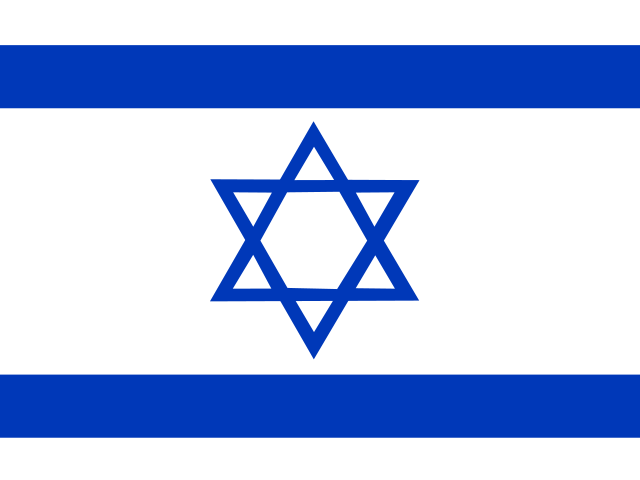 | Israel | Asia | Jerusalem |
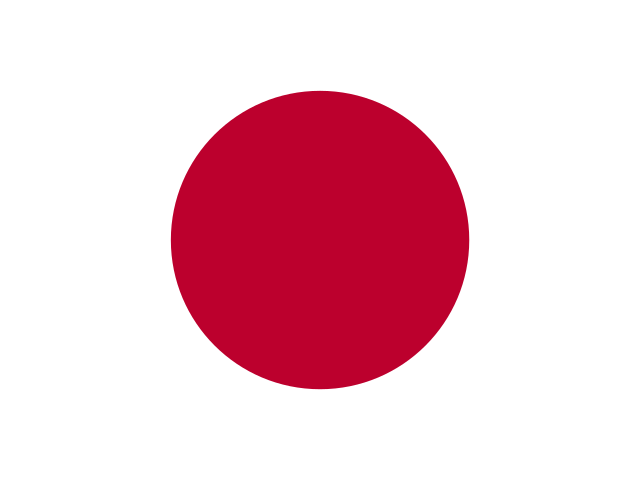 | Japan | Asia | Tokyo |
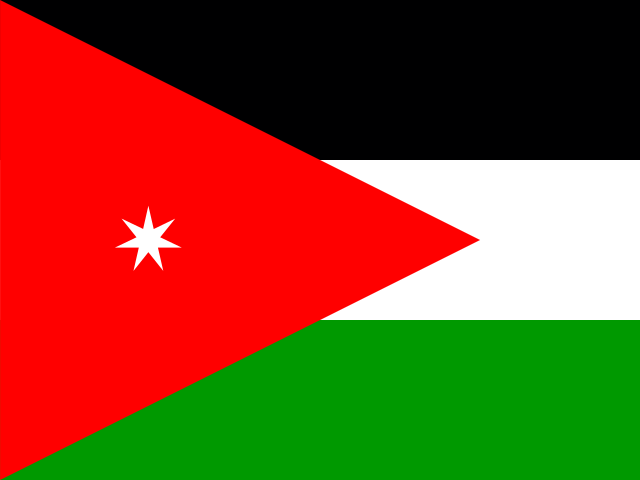 | Jordan | Asia | Amman |
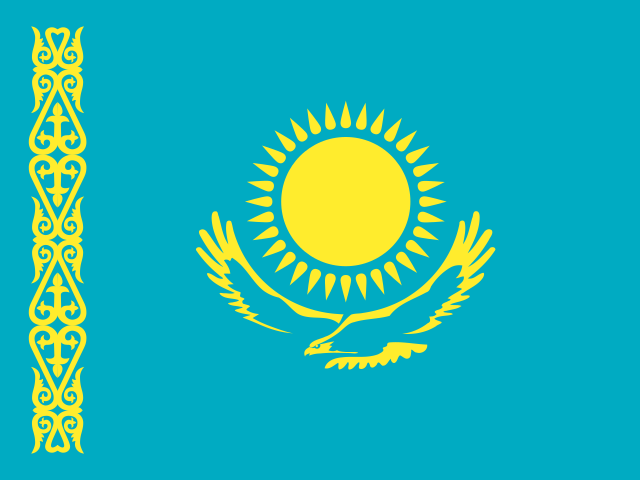 | Kazakhstan | Asia | Astana |
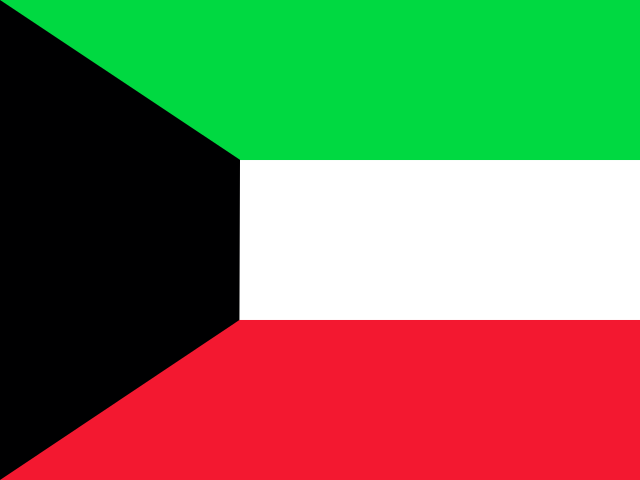 | Kuwait | Asia | Kuwait City |
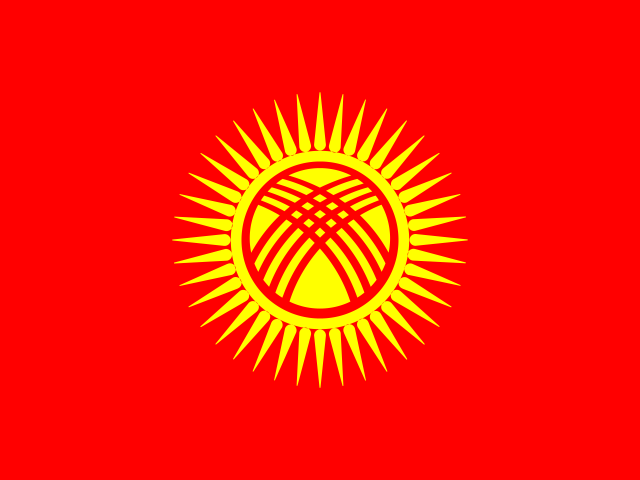 | Kyrgyzstan | Asia | Bishkek |
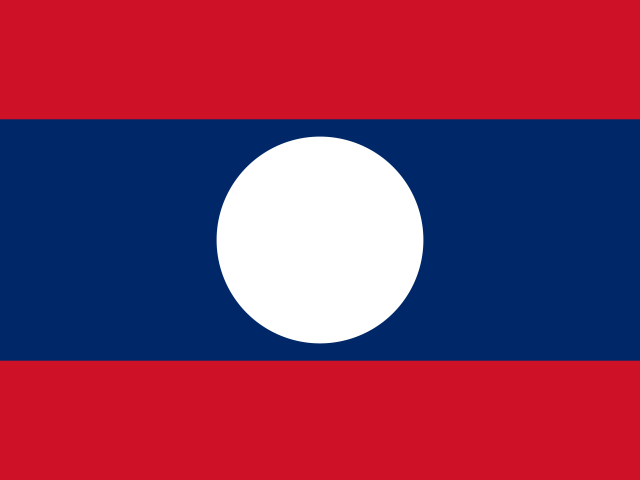 | Laos | Asia | Vientiane |
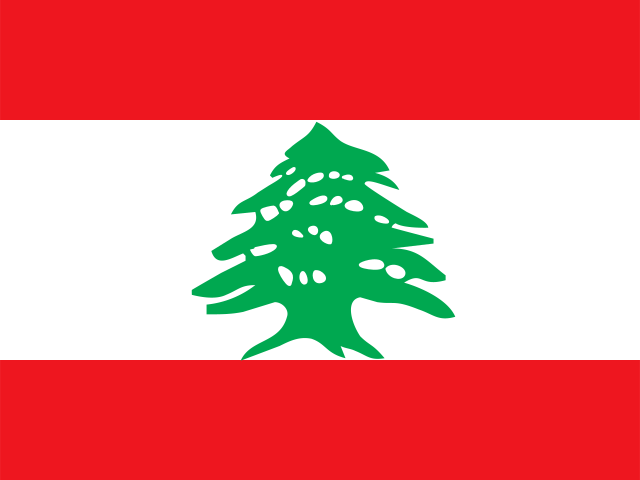 | Lebanon | Asia | Beirut |
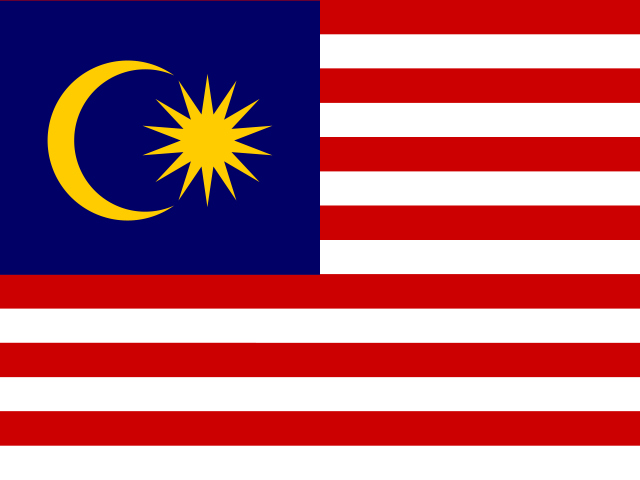 | Malaysia | Asia | Kuala Lumpur |
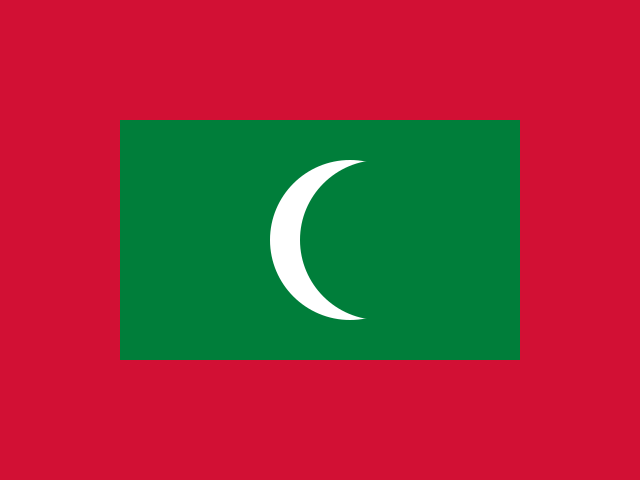 | Maldives | Asia | Malé |
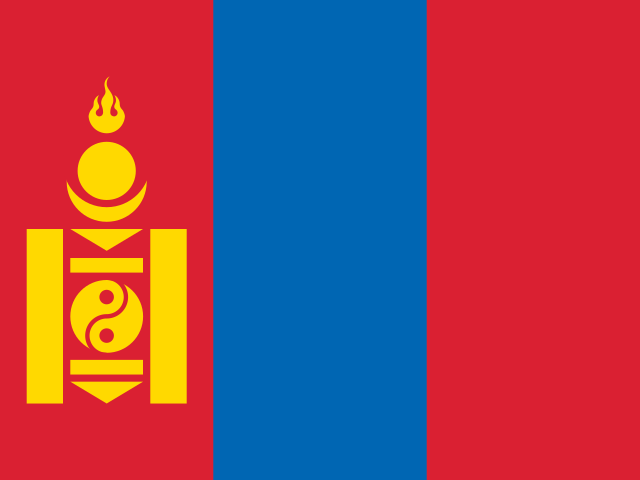 | Mongolia | Asia | Ulan Bator |
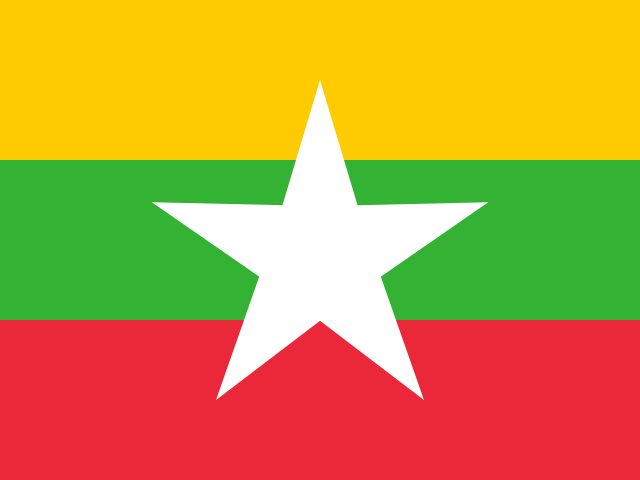 | Myanmar | Asia | Naypyidaw |
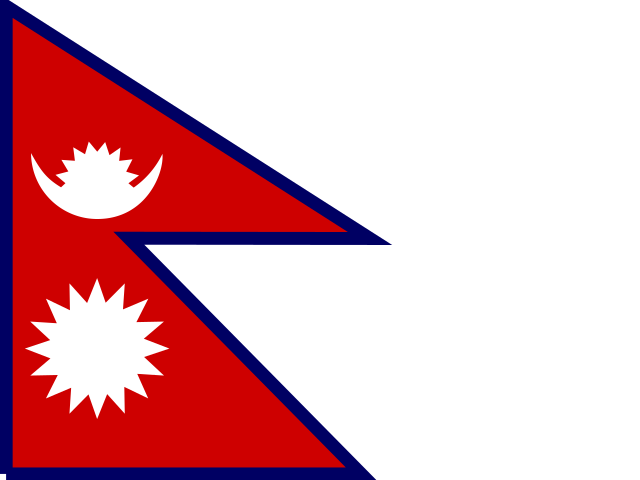 | Nepal | Asia | Kathmandu |
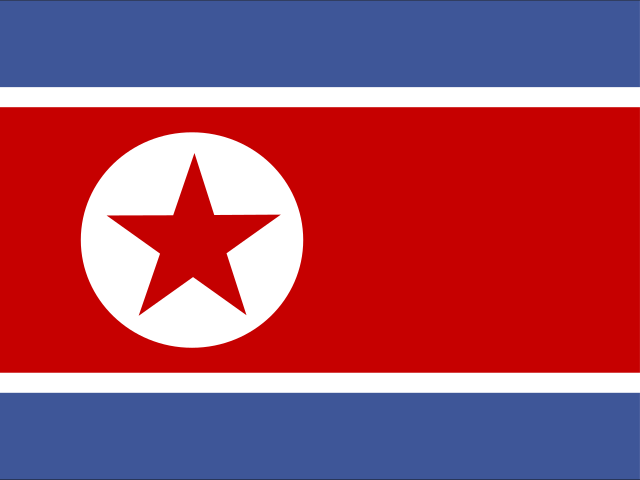 | North Korea | Asia | Pyongyang |
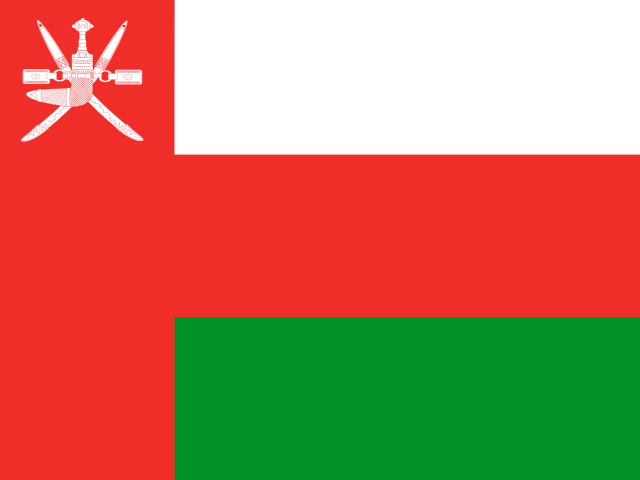 | Oman | Asia | Muscat |
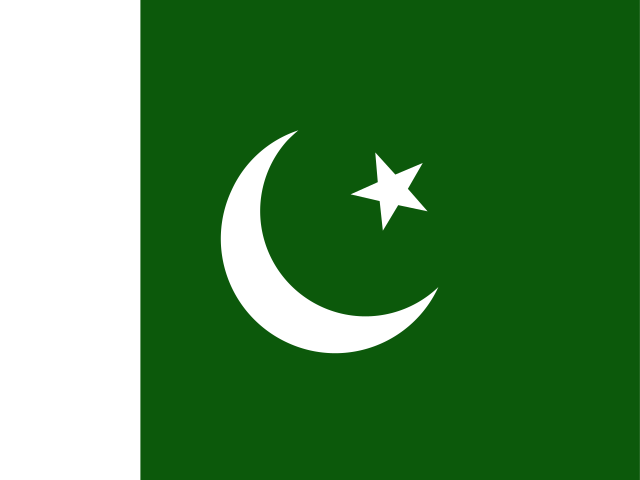 | Pakistan | Asia | Islamabad |
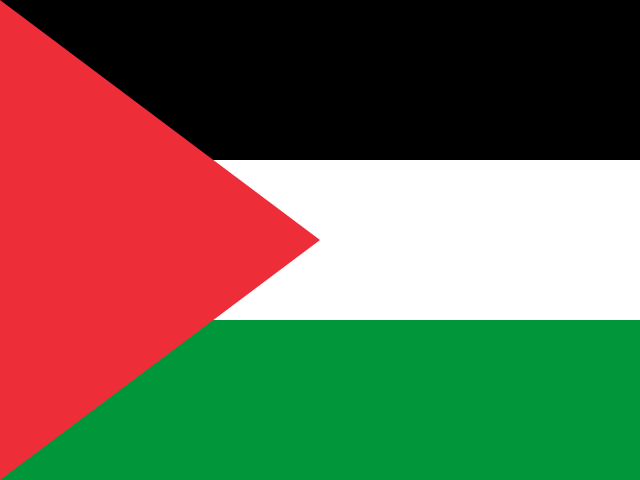 | Palestine | Asia | Ramallah |
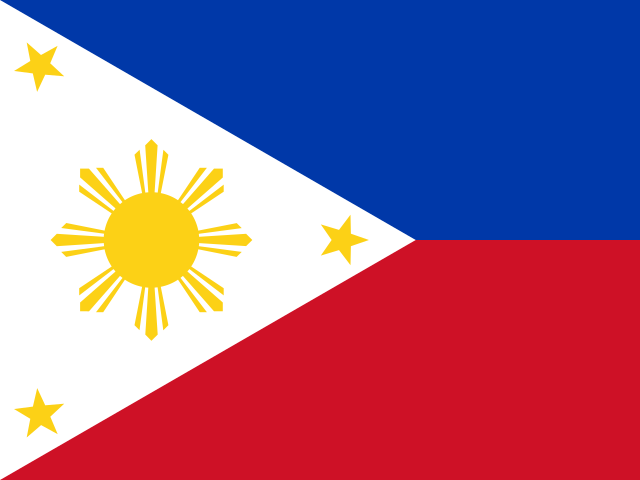 | Philippines | Asia | Manila |
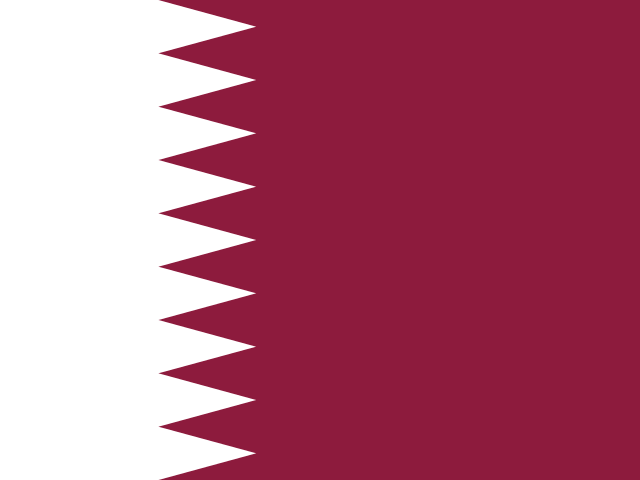 | Qatar | Asia | Doha |
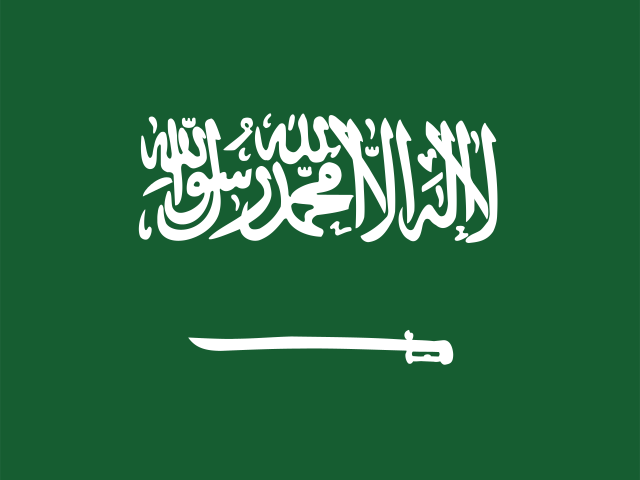 | Saudi Arabia | Asia | Riyadh |
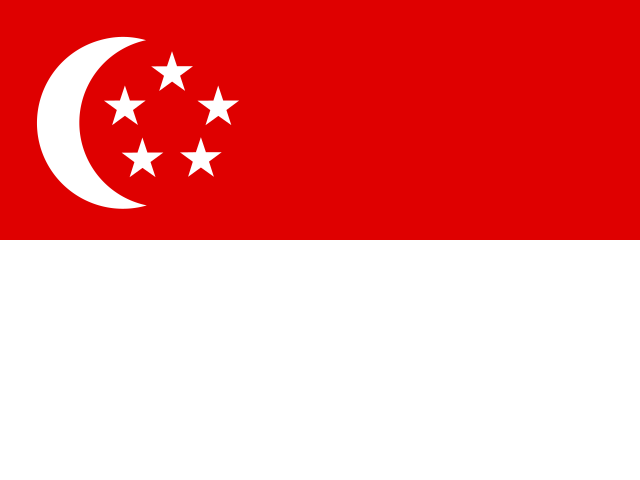 | Singapore | Asia | Singapore |
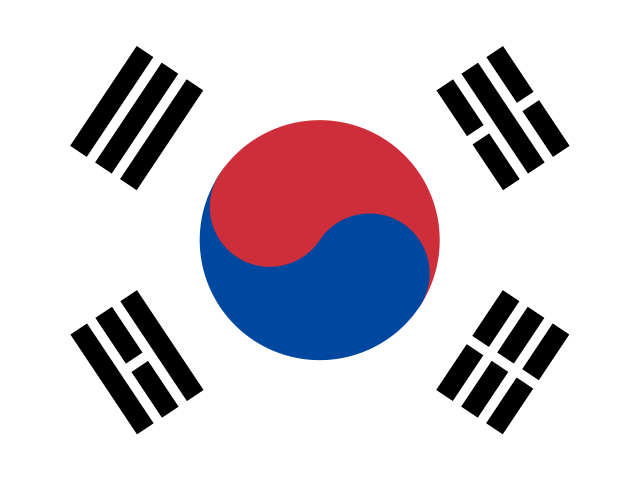 | South Korea | Asia | Seoul |
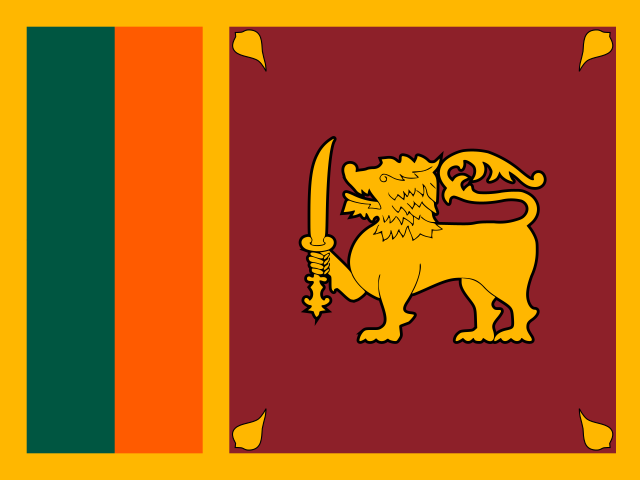 | Sri Lanka | Asia | Colombo |
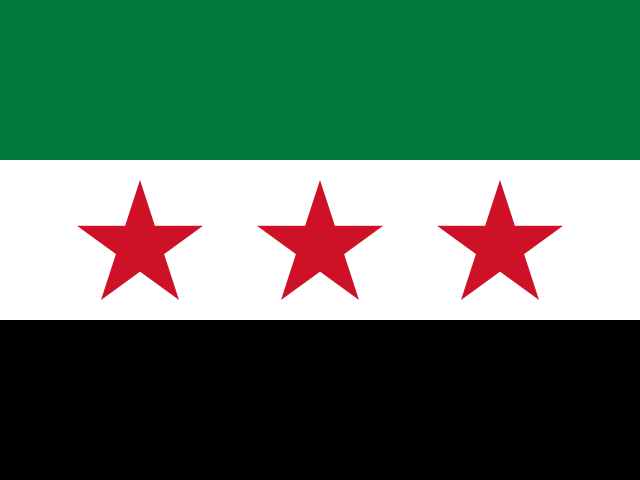 | Syria | Asia | Damascus |
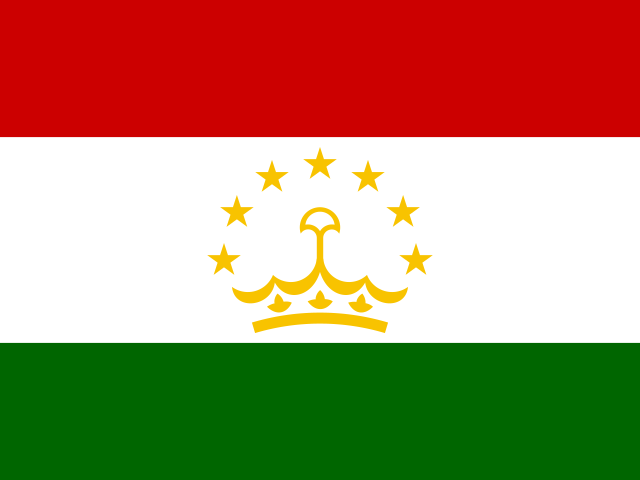 | Tajikistan | Asia | Dushanbe |
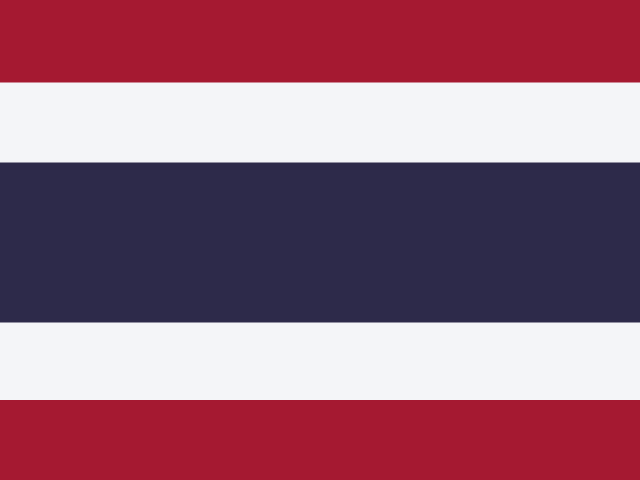 | Thailand | Asia | Bangkok |
 | Timor-Leste | Asia | Dili |
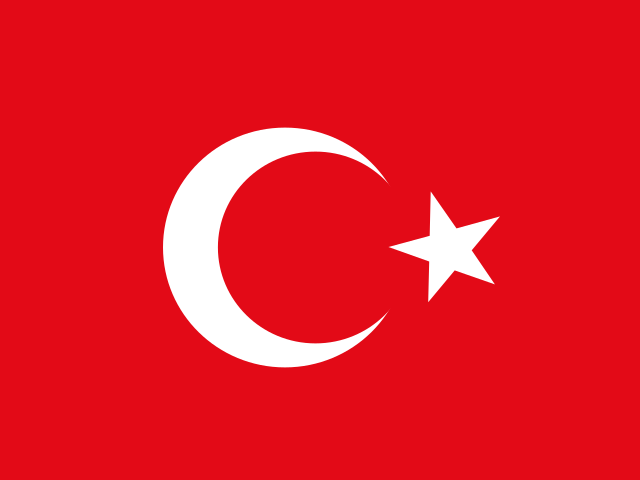 | Türkiye | Asia | Ankara |
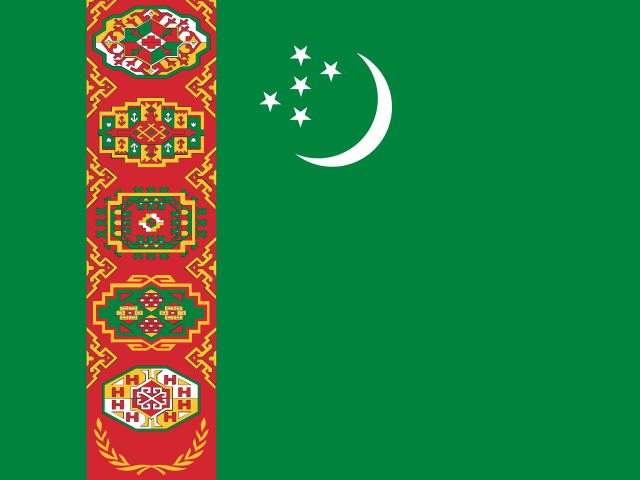 | Turkmenistan | Asia | Ashgabat |
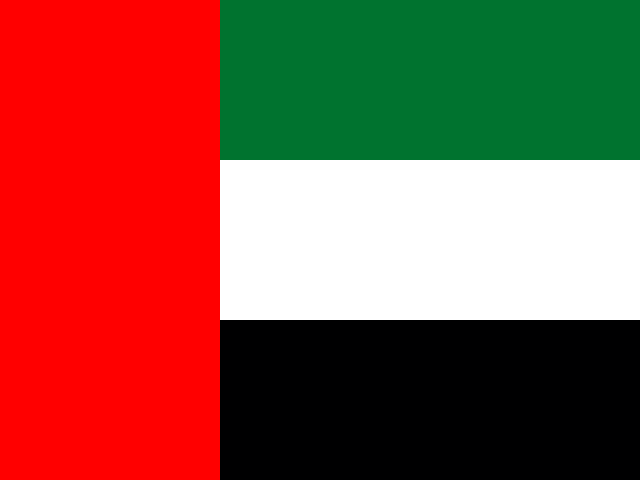 | United Arab Emirates | Asia | Abu Dhabi |
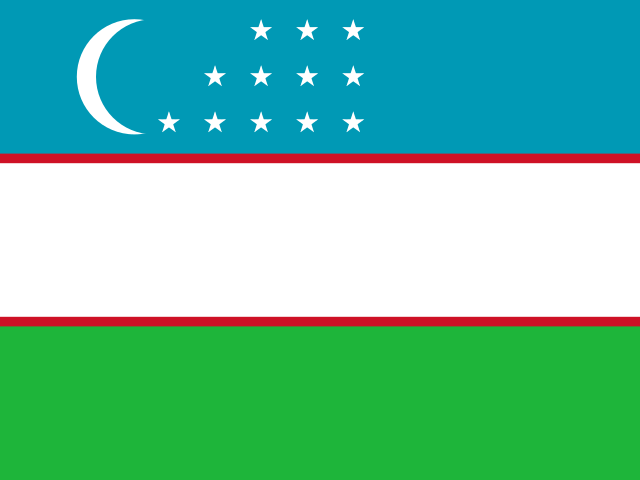 | Uzbekistan | Asia | Tashkent |
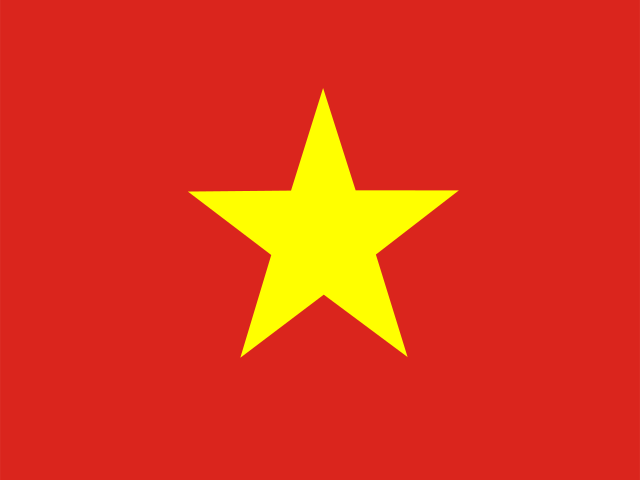 | Vietnam | Asia | Hanoi |
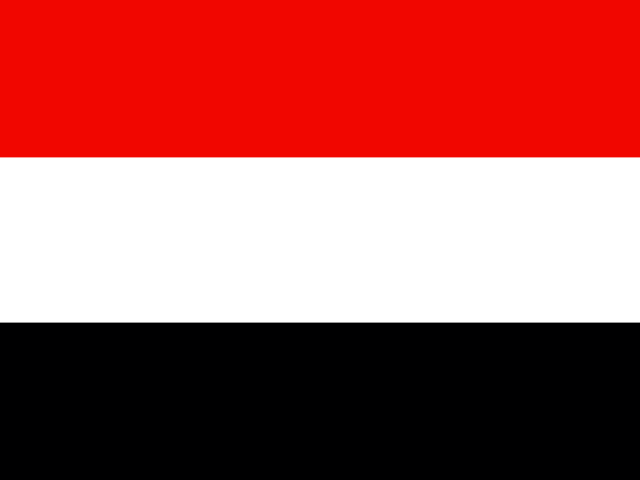 | Yemen | Asia | Sana'a |
Choose a Asia capitals practice mode
Each question names a country from the Asia collection of 47 countries and asks for its capital. Multiple choice places the correct city among plausible alternatives. Typed mode hides the options and checks whether you can enter and spell the city yourself.
Use five or ten questions while a region is new. A shorter round leaves time to review every miss. Increase the length only when most pairs feel familiar, otherwise the same difficult countries can disappear inside a long sequence of easy answers.
Learn capitals as connected regional groups
Break the Asia collection of 47 countries into neighbouring or culturally familiar groups instead of memorising one alphabetical list. A country is easier to remember when you can place it on a map, picture nearby states and compare its capital with other cities in the same subregion.
Keep confusing pairs together until the contrast is clear. Similar country names, nearby capitals and often-mistaken largest cities are better studied side by side than on separate days, because the difference itself is easier to remember.
- Place the country in a subregion
- Say the capital before checking
- Contrast one confusing neighbour
- Return missed pairs to a short review set
Move from multiple choice to typed answers
Choosing a city from four options is a useful first step, but it can make a country–capital pair feel more familiar than it is. After a successful multiple-choice round, keep the same country set and switch to typing. The change removes elimination and makes spelling part of the task.
If your score drops sharply, return to a smaller group rather than guessing through the full set. Say each country–capital pair aloud, wait a few minutes, and test it again in a different order. Answering after a gap tells you more than repeating it immediately.
Watch for the largest-city trap
A country’s largest, most visited or most internationally familiar city is not always its capital. Canberra rather than Sydney, Ottawa rather than Toronto and Brasília rather than Rio de Janeiro are useful examples of why familiarity alone can mislead.
When an answer surprises you, record the incorrect city as well as the correct one. Writing the contrast—country, familiar city, official quiz answer—creates a clearer memory than repeatedly reading the capital without noting the source of the confusion.
Build a Asian study sequence
Begin with a few familiar countries from the Asia collection of 47 countries, then add a small neighbouring group. Use multiple choice the first time, typed answers the next time and a mixed round after a break. Only then combine the group with another part of the region.
Keep spelling practice separate when needed. Names with unfamiliar punctuation or letter patterns may require a few slow typed repetitions before you can enter them at normal quiz speed.
Use a three-stage review loop
First, choose the correct city and read every option. Next, type the same answers without visible options. Finally, mix in countries from other regions so the order of the study list no longer helps.
Return persistent misses to the Asia set rather than restarting the entire world collection. Focused review protects attention, while later mixed rounds confirm that the country–capital connection still works outside its original group.
Connect each capital with its location
After answering, picture where the country sits within its continent and where the capital lies inside it. You do not need a precise coordinate; a coast, island, border region or central location gives the city a geographic frame that an alphabetical list cannot provide.
Link neighbouring countries in a short route and say their capitals in geographic order. Then shuffle the questions so the route helps build the memory without becoming the only order in which the answers can be produced.
Practise spelling after you know the city
A city can be known but still mistyped. Keep a small spelling list for names with unfamiliar letter patterns, spaces, punctuation or diacritics. Copy the correct form once, hide it and type it again from memory rather than repeatedly tracing the visible answer.
Return the spelling card to the country pair after you can type it correctly. The aim is to remember the city when you see the country, not to memorise a disconnected sequence of letters.
Check progress with a mixed round
A regional or alphabetical study list can make answers predictable. After focused practice, mix countries from different subregions and change the question order so you have to know the capital from the country alone.
Review the result by error type: unknown pair, confused neighbour, largest-city trap or spelling problem. Each category needs a different correction, and separating them prevents a familiar typo from being treated like a missing geography fact. Keep the next review focused on that cause.
FAQ
Frequently asked questions
How does the Asia Capital City Quiz work?
Each question names a country and shows its flag. Choose or type the capital, read the feedback and continue until the round is complete.
Which quiz settings can I change?
Open Settings to choose multiple-choice or typed answers and a round of 5, 10, 20 or 50 questions. Changing a setting starts a new round.
Which capitals are included in the Asia Capital City Quiz?
The quiz includes the capitals of all 47 countries in Flagzy’s Asia collection.
How can I prepare for the Capital City Quiz?
Use the Asian flag gallery or flashcards to connect each country with its flag before starting another capitals round.